Posts tagged “Soul Shapers

Off and Running with Glasser and Wong

Screenshot 2014-09-06 19.44.32

Classes begin on Sept. 22 at PUC and one of the courses I will be teaching this Fall quarter is Classroom Management. Pre-service teachers worry ahead of time about whether or not they will be able to manage a classroom and after entering the profession, those teachers who leave teaching mostly do so because of issues relating to management. Classroom management is a very important skill set for teachers to possess. I enjoy teaching the class, even as I feel the pressure of the responsibility to teach it well and teach it right.

There are basically two different paradigms from which to consider classroom management – either you view the world operating according to external control (reward / punishment) or you see it operating according to internal control and the principles of choice theory. There are many different approaches and management models to choose from, but each of them sits on one of these paradigms.

056

I am using two books as texts for the class that I haven’t used before. The first is Choice Theory in the Classroom (1986; 2001), which I am quite familiar with, and the second one is The Classroom Management Book (2014), which is brand new.

9780976423331_p0_v3_s260x420

I chose these books because I think they will help students understand and appreciate the essential elements of classroom management. (A big THANK YOU to those who posted their essential elements in the last blog. I am going to share your insights with my class.) Some of the elements I would like to include –

+ Know yourself – Recognize that your beliefs about motivation and behavior (which you can change) form the frame within which all of your classroom management pieces fit.

+ Prevention rather than cure – Seek to create a need-satisfying class in which students want to be. Focus on positive relationships all the way around. Focus on instructional organization. Focus on teaching and rehearsing the Procedures needed for the room to run smoothly.

+ Natural consequences rather than punishment – If students do break a rule, help them learn to take responsibility for their behavior and restore what they have broken.

I plan to start with Glasser’s Choice Theory in the Classroom and have him help us understand the concepts of choice theory and how the internal control model of human behavior really is the only model that honors the way our brains work. I think role plays in class will help us get the essential points in better ways than me lecturing the points.
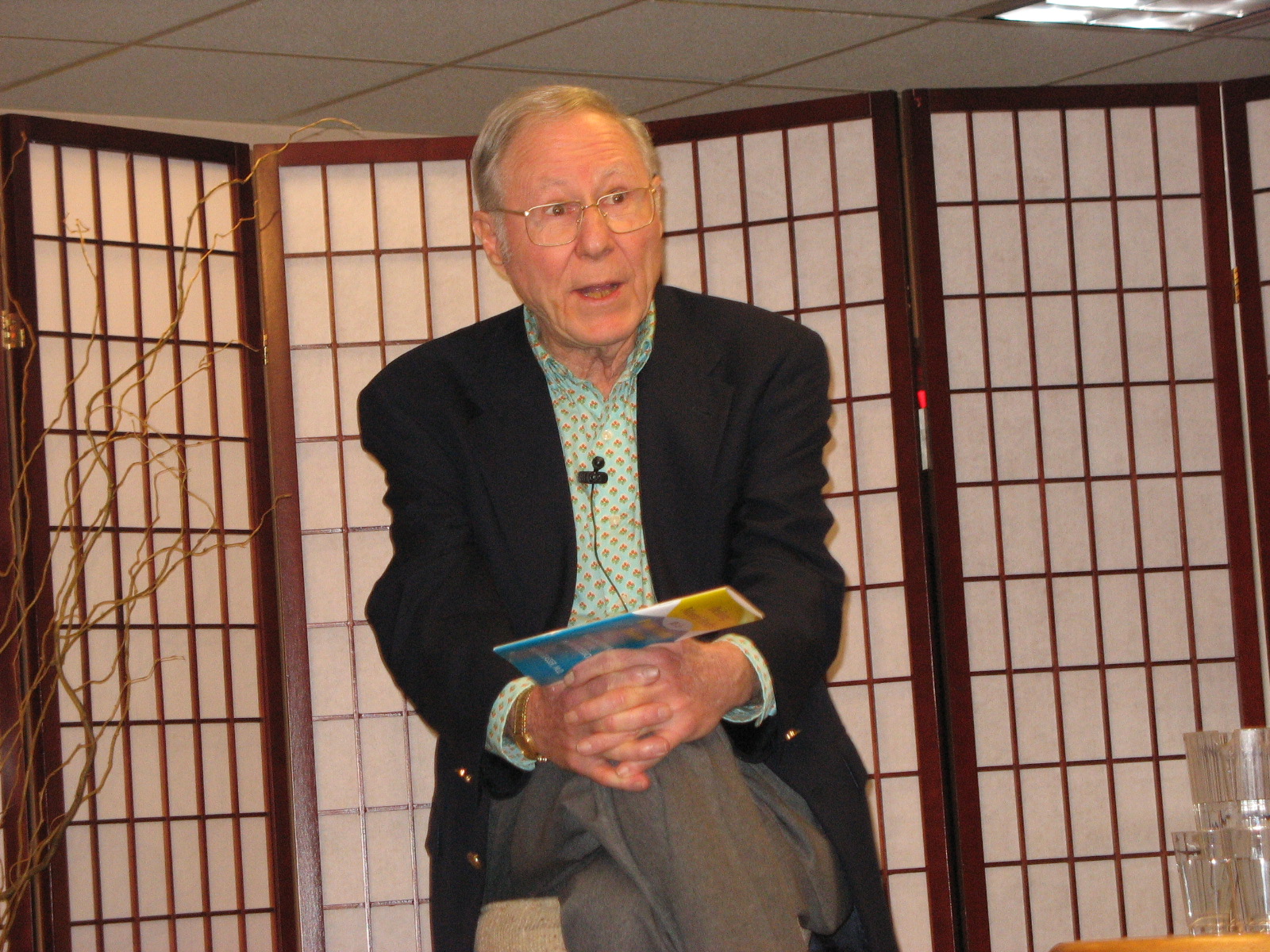
Bill giving a talk in Ventura, CA (2006)

Bill giving a talk in Ventura, CA (2006)

I am glad I re-connected with Choice Theory in the Classroom. I have known about the book, of course, but I haven’t tapped into it like I am about to. Here are a few key points from the book. You can almost hear Glasser’s voice –

“We cannot pressure any student to work if he does not believe the work is satisfying.” (12)

“We are far too concerned with discipline, with how to ‘make’ students follow rules, and not enough concerned with providing the satisfying education that would make our overconcern with discipline unnecessary.” (12)

“When we talk about better discipline with no attempt to create a more satisfying school, what we are really talking about is getting disruptive students to turn off a biological control system that they cannot turn off.” (58)

I then plan to transition into Harry Wong’s new book, The Classroom Management Book. I have been using Wong’s classic The First Days of School for a number of years, and I really like that book, but I decided to go with his new book. The new book is so strong on Procedures and how to teach them. I can supplement what the book doesn’t cover, but I really want the students to have access to what he does cover. I think experienced teachers will want to check out his new book, too.

IMG_1390

I just recently received the latest edition of Educational Leadership, the journal for the Association for Supervision and Curriculum Development, and the entire journal is devoted to the topic of motivation. I will be having the students read several of the articles, including the keynote (lead) article by Daniel Pink, entitled Motivated to Learn: A Conversation with Daniel Pink. The title reminded of the many journal articles back in the day that featured control theory or choice theory and had as part of the title A Conversation with William Glasser. As it so happens, even though this current journal has been devoted to the topic of motivation, and specifically motivation within the school environment, not one of the articles references Glasser or mentions him in any way. It is true that his ideas and beliefs are splashed throughout the journal. Schools wanting to improve instruction and embrace educational “best practice” are heading the way Glasser pointed for years. That really is the important thing.

============

Discipline is helping a child solve a problem.
Punishment is making a child suffer for having a problem.
To raise problem-solvers, focus on solutions, not retribution.
L.R. Knost
(Thank you Bette Blance for sharing this on Facebook)

============

One way to keep Glasser’s legacy alive is to let colleagues know about The Better Plan blog. Think about it.

http://thebetterplan.org

============

Now priced at $17.73 on Amazon; 16 reviews have been submitted.

Now priced at $17.73 on Amazon; 16 reviews have been submitted.

The eBook version of William Glasser: Champion of Choice can be accessed at the following link –

http://www.zeigtucker.com/product/william-glasser-champion-of-choice-ebook/

The paperback version can be accessed at the following Amazon link –

http://www.amazon.com/William-Glasser-Champion-Jim-Roy/dp/193444247X/ref=sr_1_1?s=books&ie=UTF8&qid=1409718917&sr=1-1&keywords=champion+of+choice

For U.S. customers, get a signed copy of Champion of Choice for $20 + $6 (shipping). Send your check, along with any special instructions (e.g.- if the book is a gift), as well as your shipping address, and I will get the biography out to you right away.
Please include your email address, just in case I have questions about your order. My address is P. O. Box 933, Angwin, CA 94508

Get a signed copy of Soul Shapers: A Better Plan for Parents and Teachers for $17.

1308277


Solitary Pleasure and Mental Health?

mm_boardwalk_solitary_man_sunshine_max_bolotov-585x387

The words solitary pleasure and mental health would not seem to go together, yet a case can be made for just that. The August 12 post at mentalhealthandhappiness.com describes how people need to cultivate a solitary pleasure as a way to nurture a relationship with themselves. This is interesting and important on several levels.

When I was a young man I remember hearing that you had to be a me before you could become a we. I took that to mean that it’s important to establish your own identity and to be strong within yourself before you attempt to meld your life with a significant other. Even as we connect with others socially and even if we are in a relationship with a significant other, though, there is something very solitary about the human condition. Mental health seems to require an inner personal strength that is comfortable with solitude. Me before We also conveys the importance of learning how to be fulfilled and secure within yourself, rather than being dependent on another person fixing your insecurity.

16BEST_SPAN-tmagArticle

Another way in which solitary pleasure can be healthy is described in Positive Addiction (1976), where Glasser described how people can be “addicted” to an activity that is actually good for them. After visiting with and surveying runners, he concluded that if certain conditions were met, the act of running could bring the runner into a special mental state where contentment, confidence, and creativity flourished. The runners admitted that if they could run with ease for around an hour, and if the element of competition was not present, they would experience a kind of runner’s “high” that strengthened them and seemed to prepare them to meet their responsibilities even more effectively. They also admitted that when they didn’t run for awhile they began to feel less healthy – physically and emotionally – and wanted to get their running shoes on and get back on the road. Glasser noted that other activities besides running could lead to this Positive Addiction (PA) state as long as the conditions were met. The key is that rather than detracting from our life forces and literally imprisoning us, like negative addictions do, a positive addiction adds strength and creativity to our lives.

And so there is a kind of solitary that is healthy. As humans we need to be able to handle, and even tap into the benefits of solitude. That being said, though, let’s remember that not every kind of solitary is good for us. Choice theory points out the importance of relationships in our lives, and how so much of our emotional distress is created when a relationship suffers. Our mental health, to a great degree, is tied to the quality connections we have with others. So what’s the difference between a healthy solitary and an unhealthy solitary? For me the answer boils down to: Is my solitary a way to escape or is it a way to empower?

21011704-hand-cutting-wood-with-hand-saw

The story is told of a man that went out to the wood pile to cut wood, and how at first he cut the wood quickly and made great progress. He had a lot of wood to cut and he was pleased at how easy it was. As the days went by, though, he seemed to cut less wood in the same amount of time. Rather than getting stronger and cutting even more wood, he was cutting less. It got to the point where he seemed unable to get the saw through the wood at all. Discouragement and frustration became his companions as he went out to the wood pile each day to wrestle with the few pieces he could now handle. When a friend stopped by to visit and noticed how slow he was now cutting the wood, the friend suggested that he ought to sharpen the saw. Indeed, the saw was sharpened and the experience became doable and efficient once again.

We each need to be aware of the ways in which our “saws” are sharpened. It could be meditation or morning devotions, prayer, cycling, walking, knitting, gardening, or hitting golf balls. If life is marked by difficulty and drudgery, it may be that our saw is dull and that we are trying to cut the same amount of wood with it. Caring for ourselves is not a selfish act. Ultimately, we can care for others and do our jobs even better when our “saws” are sharpened. When solitary activities empower us to face our responsibilities and connect with others in the process, they are healthy and needful.

One of the important benefits of “sharpening the saw” activities and healthy solitude is becoming more aware of and accepting of ourselves. As the mentalhealthandhappiness.com post suggested, we need to develop and nurture a healthy relationship within ourself and learn how to meet our own needs in the process.

So, in review –

Me before We

Positive instead of negative addiction

Empowerment rather than escape

Keep that saw sharp

=================

14 Amazon reviews; can we make it 20?

14 Amazon reviews; can we make it 20?

For U.S. customers, get a signed copy of Champion of Choice for $20 + $6 (shipping). Send your check, along with any special instructions (e.g.- if the book is a gift), as well as your shipping address, and I will get the biography out to you right away.
Please include your email address, just in case I have questions about your order. My address is P. O. Box 933, Angwin, CA 94508

Get a signed copy of Soul Shapers: A Better Plan for Parents and Teachers for $17.

Amazon reviews would be helpful here, too.

Amazon reviews would be helpful here, too.

================

You can access The Better Plan posts on –

TWITTER
@thebetterplan

IMG_1229 IMG_1230 IMG_1246 IMG_1236 photo 1 IMG_0031  photo 2


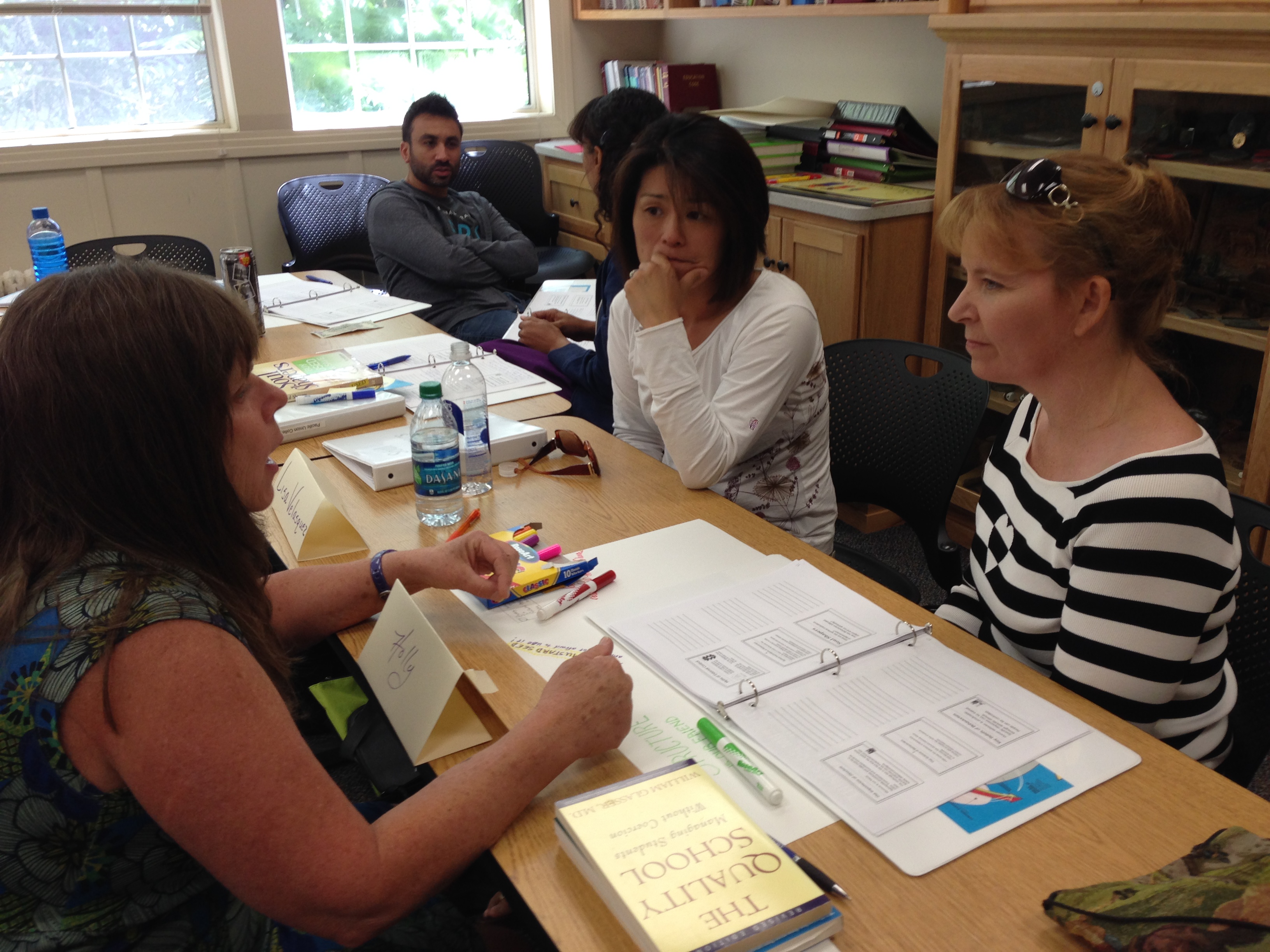
Soul Shapers 2 concluded this past Thursday and the classroom quickly went from learning activities and creative role plays to a quiet space where things needed to be organized and put away. After good-byes class members headed back home to places like Santa Rosa, Monterey Bay, and Newbury Park. It’s interesting to me how close people can become as they learn about choice theory together, and especially as they practice the learning through role play.  Role playing is fun, but it is also a vulnerable process in which friendship bonds are formed.

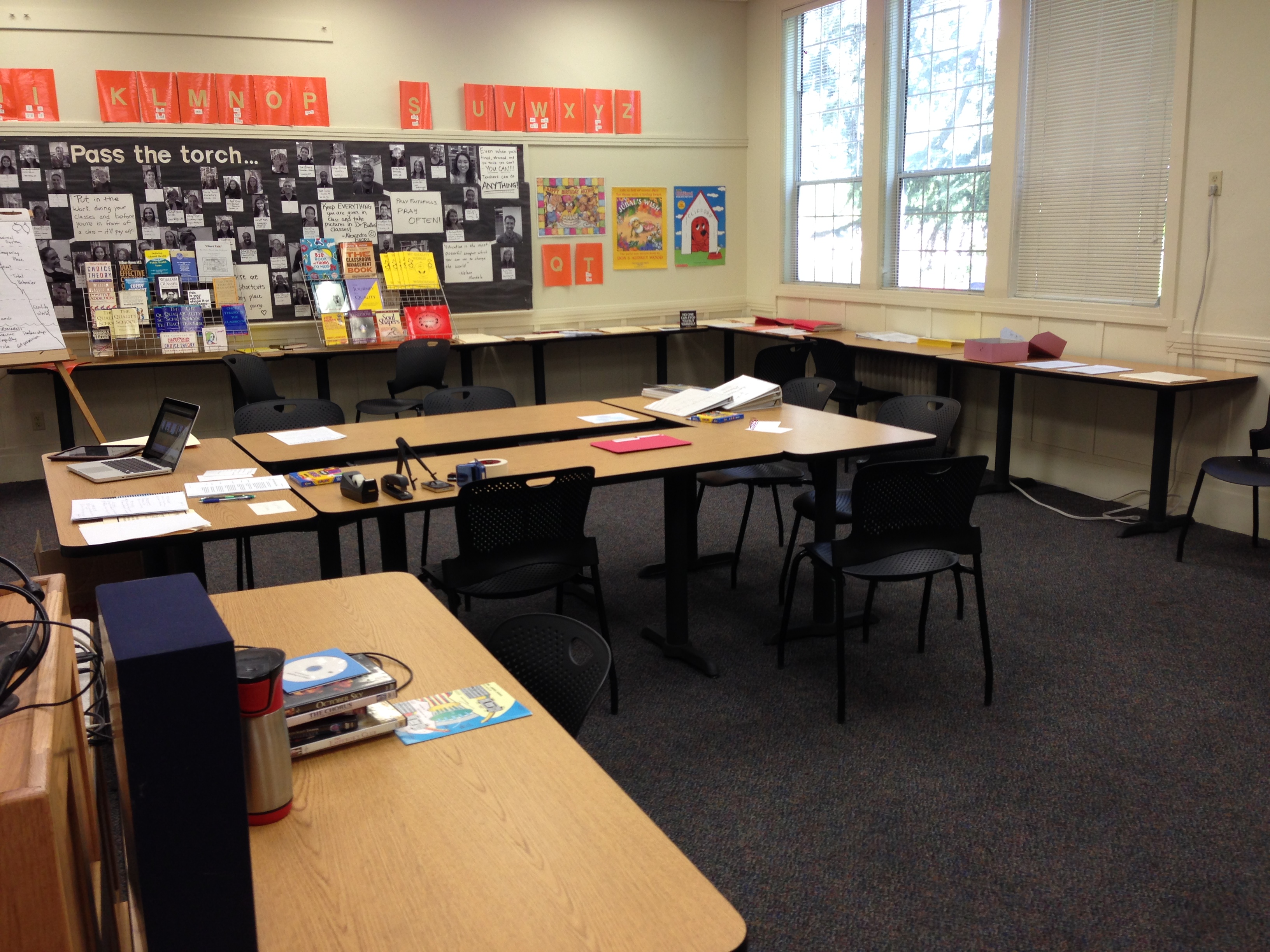
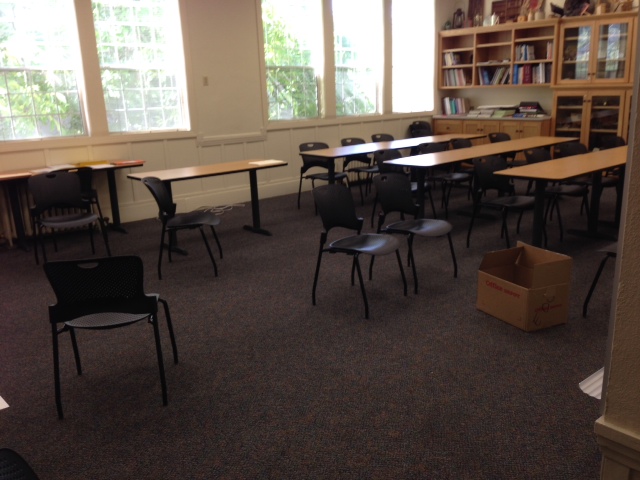
The vulnerability to which choice theory invites us creates a rather “sacred” space to me, so it is a little bit difficult to change the furniture in the room back to the way it was before the Soul Shaper classes began two weeks earlier. Important moments happened in this space and moving the tables and chairs back to their straight, impersonal rows seems to move on from those moments too easily. Folders with (what I think are) important handouts and activities must be organized and re-filed, the filing cabinet draw ultimately closing them in darkness. When will I call on them again? How soon? Planning notes and lesson plans also put away, but shouldn’t I modify them based on the new ideas these most recent classes have taught me. Shouldn’t I review which activities worked well and which didn’t?

I have such mixed feelings as the Soul Shaper classes come to an end each summer. I feel good about making new friends, and seeing them make new friends,  and hearing them talk about how they want to show up differently, personally and professionally, now that they understand choice theory in new ways.  I feel a bit of fear, too, as I think about each of them heading back to the complexity of their unique realities, wanting to apply choice theory, but stumbling in their initial efforts to do so and maybe being distracted from the new ideas and ultimately reverting to their old habits. The crush of the new school year in the Fall often provides the final blow in the “forgetting” process. It doesn’t have to be so; this is just my “fear.” Participants in this year’s classes expressed as much commitment to the choice theory ideas as any class I have ever taught. If these ideas are as important as I think they are, then the Holy Spirit will take it from here and continue to provide insight and support.

Assignments for the Soul Shapers 1 class are arriving in my inbox every day now and they are encouraging to me as I read them. One of the assignments is to write a short review of the Soul Shapers book (2005). The opening paragraph for one of these reviews indicates that the writer “gets it” —

William Glasser, an influential psychologist and educator, has devoted his life to challenging many long-held theories in the field of psychology, most famously, the stimulus-response theory. This theory states that human behavior can be motivated and controlled through external stimuli. Behavioral scientist icons such as Pavlov, Skinner, and Watson, all built their contributions to the field of psychology with this “truth” as the cornerstone. As a result, people have spent the last century believing that it is possible to “control” the behavior of others. This assumption has been particularly damaging in the field of education where teachers have spent entire careers attempting to control their students through bribery, punishment, and coercion, falsely assuming that their students’ successes and failures are a direct result of these external controls. After years of observations, both in and out of the classroom, Glasser developed an alternative to stimulus-response theory called choice theory, which states that all of our motivation comes from within ourselves, and that we make our own choices and decisions on how to best meet our needs. Glasser believes that it is crucial for teachers to develop positive and meaningful relationships with their students in order to empower them to make good choices based on internal motivation rather than external control.   EC

For the same book review assignment, another class member shared that —

As a Seventh-day Adventist educator I do want my students to have a relationship with God, to become thinkers and not mere reflectors of others’ thoughts, and to become morally responsible human beings. Glasser’s methods formed a clearer, step-by-step approach to make it possible for students to use the tools of thinking, evaluating, planning, and doing. This year I would like to give more attention to activities that will help build relationships in my classroom and that will give me more insight in the basic needs of my students. I want to make a more deliberate connection to each student.   SG

It us such a gift to students when teachers organize their classrooms based on these kinds of insights. To be a thinker, rather than a mere reflector others’ thoughts is a pretty awesome life skill!

I continue to be uncomfortable with the term Soul Shapers, maybe more so than ever. In fact, I think I am more uncomfortable with the Soul Shapers label than Glasser was with the Control Theory label. He ultimately switched to Choice Theory, a label he felt was much more accurate. I want to switch, too, since the term Soul Shapers implies the idea of one human being shaping the soul of another person. Choice theory implies just the opposite of that process. Worse yet, there is a cookie cutter graphic on the cover of the Soul Shaper book, which I didn’t see until after the book was published. I like the term The Better Plan much better than Soul Shapers. Maybe next summer I will be teaching The Better Plan 1 and The Better Plan 2 classes.

=============

1308277

If you are interested in the Soul Shaper book, you can easily get a copy through Amazon. New copies are going for $12.50 and used copies are going for $5.00. I am wanting to set up an option through the blog for people to be able to order both of my books — Soul Shapers and William Glasser: Champion of Choice — but I haven’t got to it yet. In the meantime, either book is available through Amazon or through the publishers directly. The Glasser book can also be purchased through the Glasser bookstore.

Honey, this is getting out of control .  .  .

The second Soul Shapers workshop ended yesterday and already class members are sharing articles, stories, songs, and video clips that they are seeing in a new way — like this Verizon commercial. As you watch it think about the ways it taps into choice theory concepts.

How many choice theory ideas did you see or hear?

+ It really captured how the preferences of adults can shape a kid. And so much of it is about little stuff that adds up over time.

+ It captured the subtle ways that adults seek to control children.

+ It made a point about how little time adults spend listening to, and the supporting, what their children are really interested in.

What did I miss? What choice theory points did you see the clip bring out?

================

Ok, since we’re looking at clips, and since we are looking at creative commercial clips, here’s one that class members used to teach a piece of The Chart during Soul Shapers 1. A girl, feeling like she is being left behind by her friends, fakes her period and then is surprised by her mother’s response. Pretty hilarious. But also instructive when it comes to the “steering wheel-like” nature of our quality world.

It’s amazing what comes to the fore during choice theory trainings. Gotta love it.


Three Types of People – Awesome, Dangerous, and Run

Three Types of People


It is so interesting to me how involved human beings are in creating their own reality. I think this is one of choice theory’s important contributions to understanding our own beliefs and behaviors.

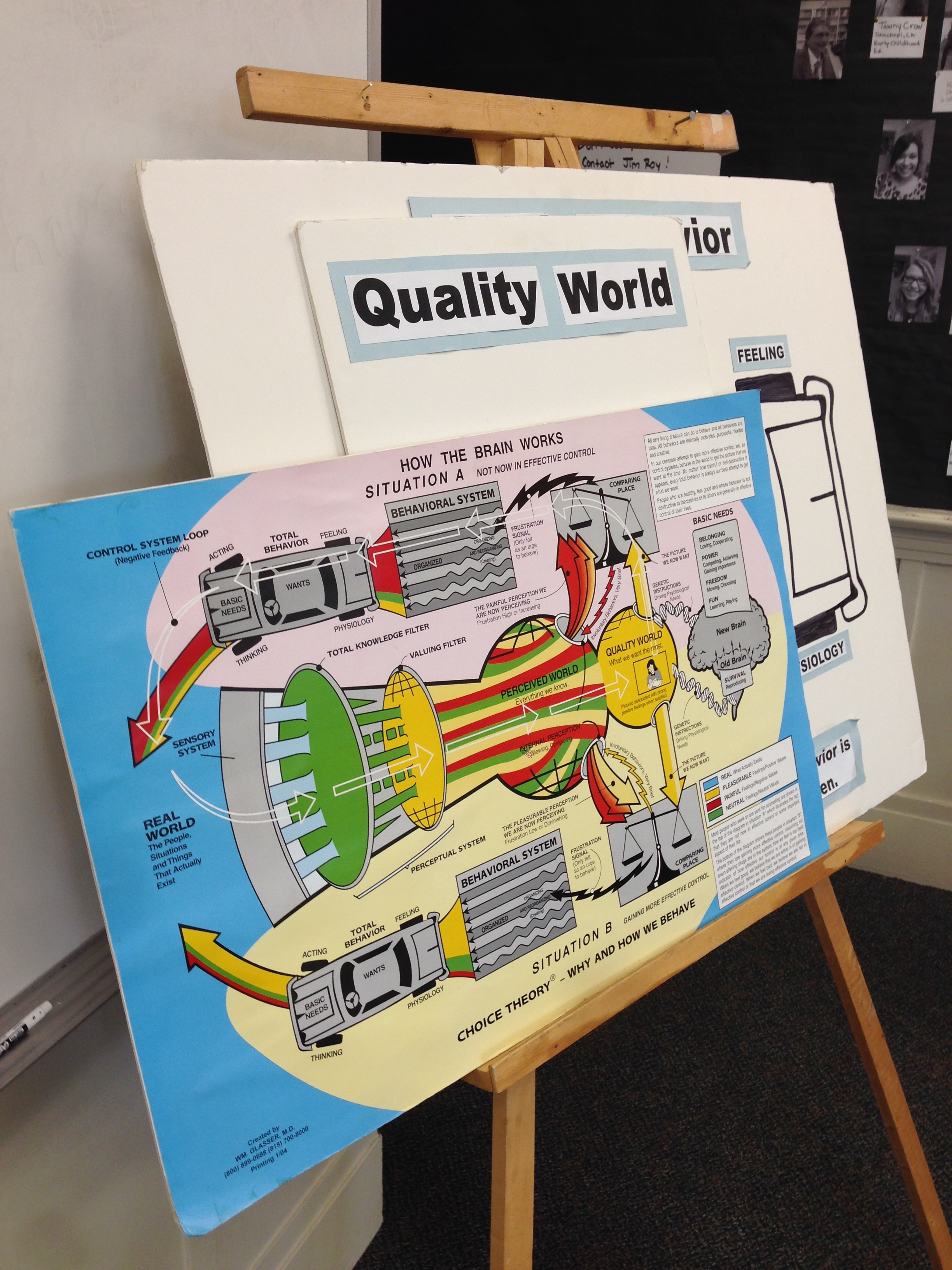
In our Soul Shapers 1 class last week we covered the quality world, the photo album in our heads where we store specific pictures of everything that is need-satisfying to us, and the perceived world, which basically is our view of reality. Choice theory describes how we create pictures that represent what we want;  choice theory also describes how we create a world view that represents what we think we have. This explains how a person can be so sure of his/her interpretation of an event, in spite of viable alternative interpretations or data that says otherwise. (Imagine a wife being incredulous as she wonders aloud to her moody husband, “You took it that way when I said that?” Really?”) An alumnus of a choice theory training I did last summer sent me the graphic above, which really portrays the possible views of reality.

In #1 the arrangement is considered healthy because the person understands that his view of reality may contain elements of the Truth (I use a capital T on purpose), or reality as it really is, but he also recognizes that his view may not be totally accurate. Such a position allows for growth and new learning as new information and experiences come into view. Such a person believes in his view of Truth, but he also allows others to follow their path toward Truth.

In #2 the arrangement is becoming dangerous because the person believes that his views all fit within what is ultimately True and real. He might not have all the Truth yet and may not have a total picture of reality, but he is in the right place to discover Truth. It is good that this person allows for not knowing everything yet; it is less healthy, and even dangerous, since the person has defined the bounds of Truth and his views all come within those boundaries.

In #3 the arrangement has reached a point where the rest of us can only be encouraged to run away from this person as fast as we can. This person believes that his view of reality is exactly the same as Truth; that the world as he sees it and prefers it is exactly as it should be.  Such a view becomes especially dangerous when a person believes that his view is ordained by God.

Because I believe in the first arrangement, the one where a person may perceive reality exactly as it is, and then again may not, does not make me a relativist. To me, such a view doesn’t mean anything goes. I have beliefs that I hold dear, including beliefs about God and His role in the creation and redemption of humankind, yet I embrace these beliefs through faith. I can’t prove them, at least in the way we think of the word prove. I have beliefs about how people should treat one another and the role that government should play toward providing a fair playing field for all citizens, and my beliefs may be right, although I recognize I don’t have a pipeline to Truth. I am convinced that Truth, capital T exists, and I desire to find it and come more and more into alignment with it.  Rather than thinking that I have arrived at Truth and Reality, I appreciate it when others can improve my views and help me see things more clearly.

=================

Tomorrow is the last day of Soul Shapers 2. It’s been a very good week. I’ve appreciated the Soul Shapers alumni that have joined us each day to join in the role plays and provide added coaching. The role plays were really good today. We’ve eased into the role plays, starting with attainable wants, but moving into more challenging scenarios today. The role play below has a teacher talking with a student who was involved in a fight again and may be expelled from school. I should have recorded it as it was that good! Sean Kootsey, History teacher at Pleasant Hill Adventist Academy, in the role of teacher, talks with Yuliana Pandjaitan, Math teacher at Newbury Park Academy, who is in the role of the student who was caught fighting.  Both Sean and Yuliana hit this role play out of the park! So well done. Yuliana played the role of the student a little “too” well. 🙂  Dan Muhic, Science teacher at Napa Adventist Christian School, is in the role of observer and will help Sean and Yuliana in the process of self-evaluation when the role play is completed. Herb Dunn, Industrial Technology and Business teacher at Monterey Bay Academy, also observes and will give feedback to the trio afterward.

What to do after being caught for fighting?

What to do after being caught for fighting?

While the class includes instruction and discussions and film clips and guest presentations and group activities, role playing is at the heart of the advanced Soul Shaper workshop. It is pretty amazing the way in which insights and skills can be gained through role playing real-life scenarios.

The Drive Home


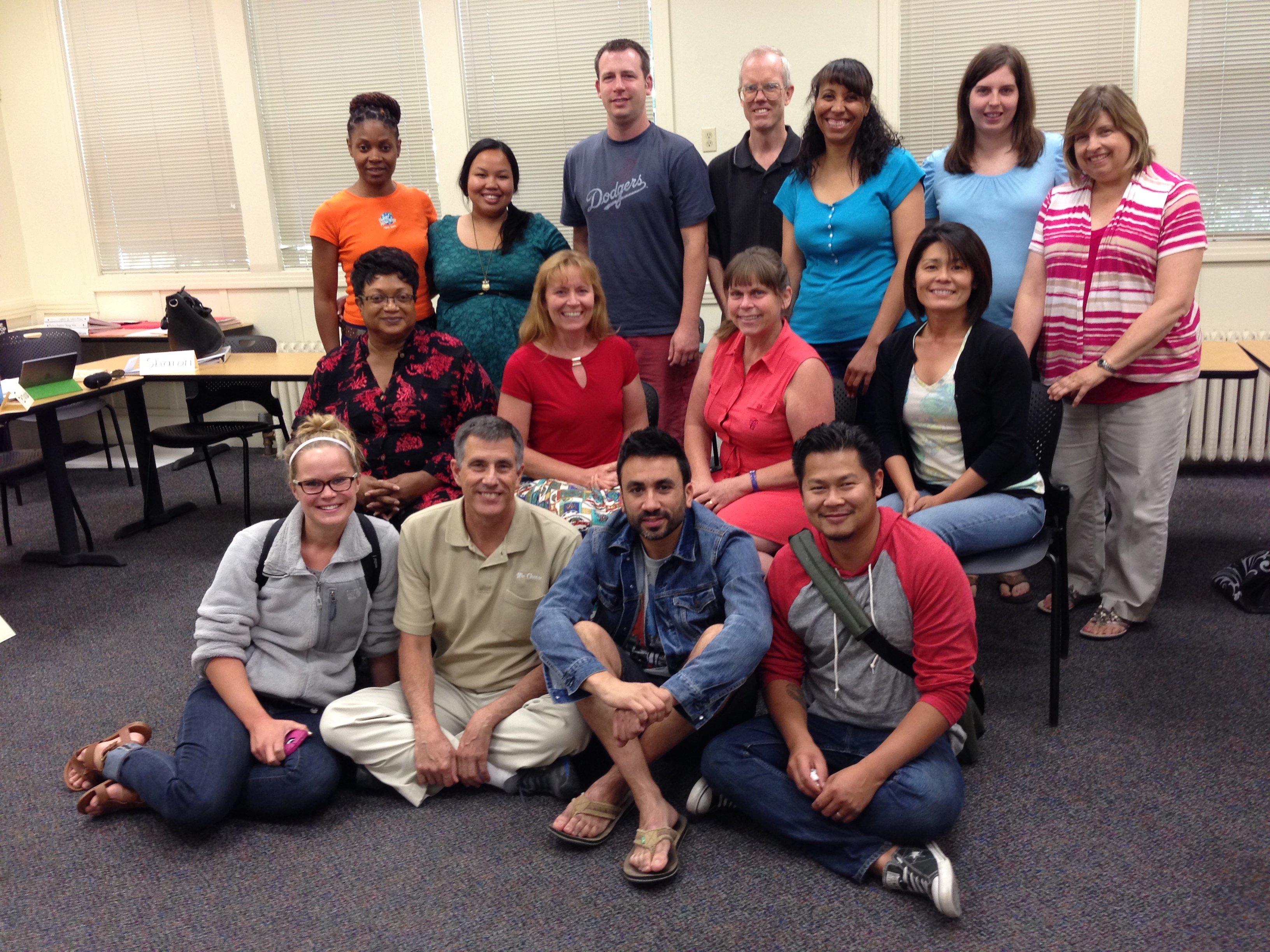
Soul Shapers 1 class, summer of 2014; a talented group of teachers who taught me a lot.

Soul Shapers 1 class, summer of 2014; a talented group of teachers who taught me a lot.

I want to give a big thank you to the Soul Shapers 1 group from this past week! I said a few things, facilitated a few activities, and led a few discussions, but it was their openness, creativity, and insight that really made the week a fun and meaningful experience. For instance, the following chart presentation examples were all created by them.

Chart presentations: A teacher-created small booklet could by used by students to identify their basic needs.

Chart presentations: A teacher-created small booklet could by used by students to identify their basic needs.


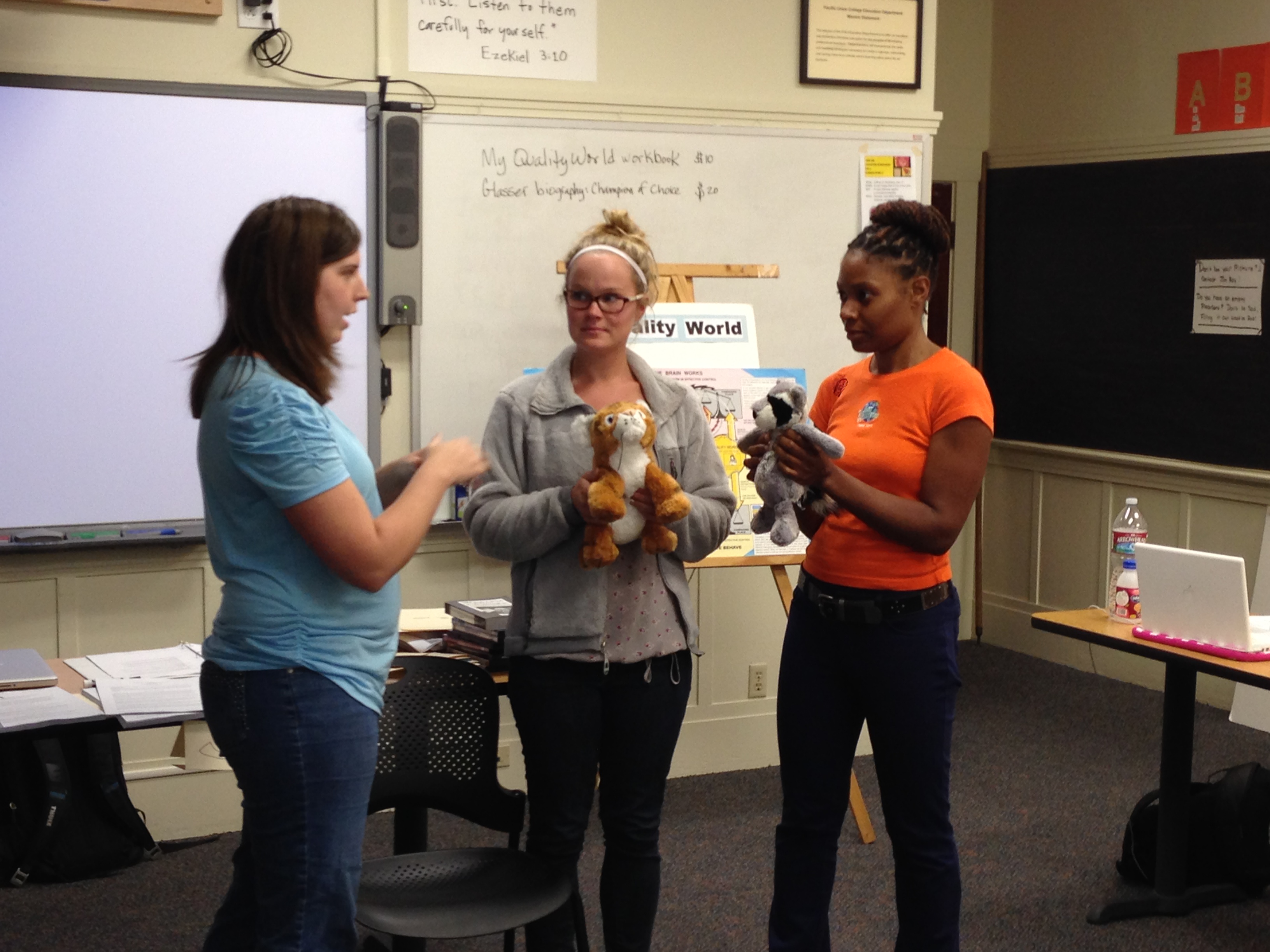
Chart presentations: Puppets can be used to help students process their behavioral center choices.

Chart presentations: Puppets can be used to help students process their behavioral center choices.


Chart presentations: A creative role play format leads to a better understanding of total behavior.

Chart presentations: A creative role play format leads to a better understanding of total behavior.

Most of the classmembers headed out for home after class ended on Thursday afternoon, although not all of them. A few of them are sticking around for the weekend so that they can continue in Soul Shapers 2, which begins on Monday. One of the those heading home didn’t have far to go, as she works right here at PUC. Others from the class, though, had longer trips – five from locations around northern California, three from central California, two from southern California, and three from Salt Lake City.

The trip home after experiencing a choice theory workshop can be an intense time of reflection. So many new concepts that have us thinking about our motivations and evaluating our behaviors. I haven’t checked in yet with this class about their trip home yet, but former participants have shared things like –

“Well, my head was kind of spinning, that’s for sure. The choice theory ideas, plus the Scripture and Ellen White stuff, it was pretty clear, and it made sense to me. But hearing this stuff for the first time, I was like, now what?   RG

“Well, to be honest, I was a little bit discouraged as I drove home. I had great memories from the time in class, the new friendships and all, but as I really thought about how I had been showing up with others, especially my own children, I just felt a little bad. I really want to get rid of the deadly habits and use more of the caring habits.”   HR

“Hmm .  .  . the trip home? I think I was pretty obsessed with the whole concept of how we control for our perceptions, you know, the idea that we place a picture in our quality world and then live in a way to make that picture happen, including manipulation as needed. That really nailed me for some reason.”   PA

“I was pretty excited, actually! I was thinking of ways that I could present the choice theory ideas to my students. I agree with you that doing the ideas ‘with’ them will be way better than doing the ideas ‘to’ them. If all I did was teach them about their Basic Needs and the Quality World, that would be such a gift for them. I plan on doing more than that, but just those two concepts would make a huge difference!”   AS

“I found myself thinking about the classroom management things I am going to change next school year.”   DS

“It hit me how much I was in the habit of blaming others for stuff, which kind of absolved me from any role in helping to make things better. Like I would blame the kids’ homes for not raising them right, and I would blame the kids for their lack of performance in class. Of course, with this way of thinking it never occurred to me that how I set up the classroom and the learning may have had something to do with their poor performance.”  JJ

Choice theory does indeed invite us to reflect on our own thinking and our own behavior. Instead of our musings being aimless, though, or negative, choice theory helps us reflect in a positive way that leads to effective change. I look forward to checking in with the latest classmembers about their reflections as they traveled home.

==================

If you have read William Glasser: Champion of Choice, I encourage you to write a review of the book on Amazon. Together we can get the word out there that Glasser’s story and the ideas he championed are worth paying attention to. It’s not hard to contribute a Review of the book on Amazon and it doesn’t have to be long. Think about it.

==================

If you haven’t read Champion of Choice yet, then put it on your reading list for this summer. Besides a good story, you will learn a lot about choice theory and how to live your life.

photo


IMG_1198 IMG_1199 IMG_1200 IMG_1201 IMG_1202 IMG_1204

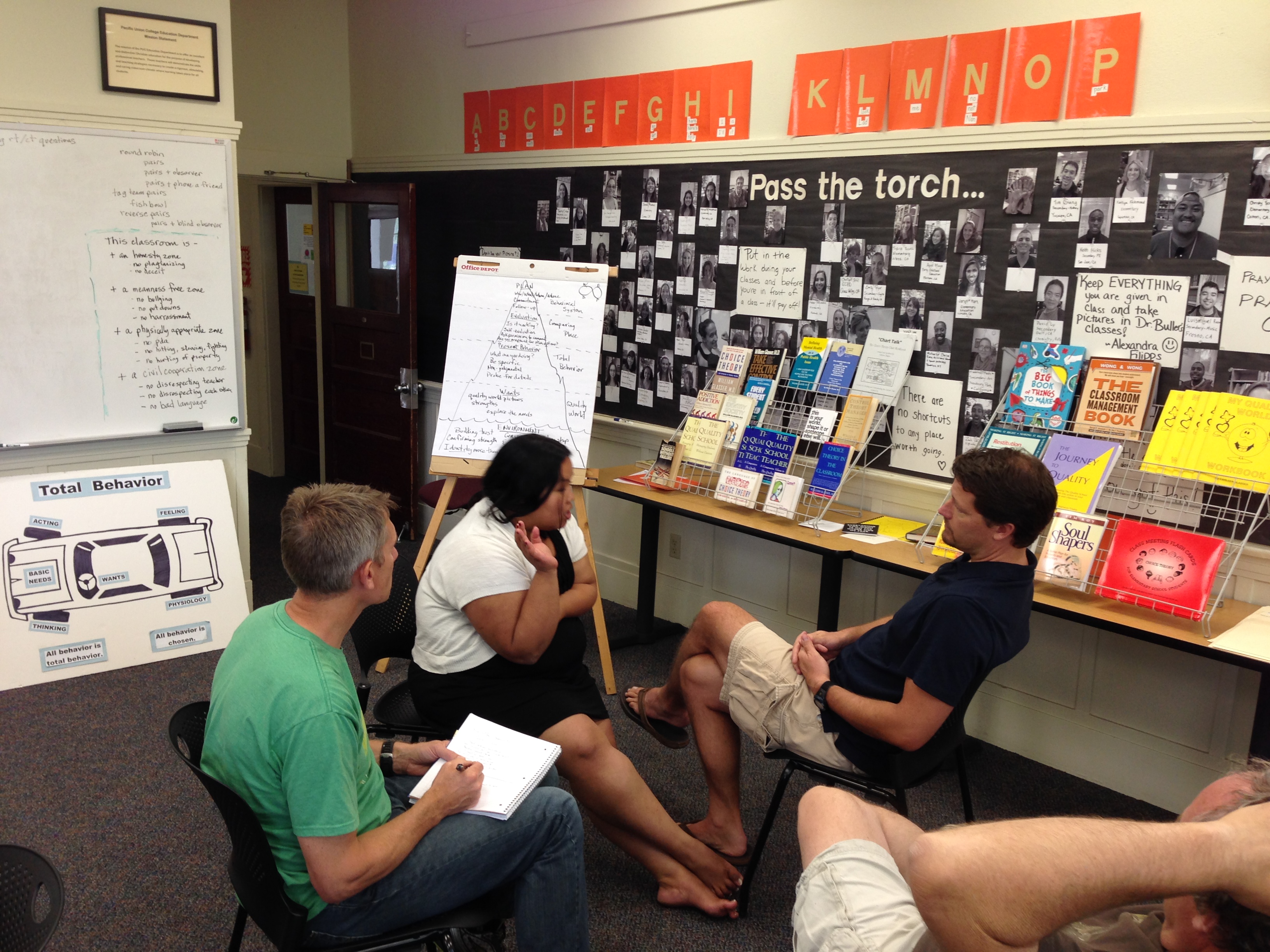
A quiet classroom begins to take shape in anticipation of the Soul Shapers workshop, which began yesterday. There is something special about a classroom before class begins. Potential hangs in the air and fills the space. Thinking will be affected and lives will be changed. It’s a sacred place to me.

IMG_1208 IMG_1209

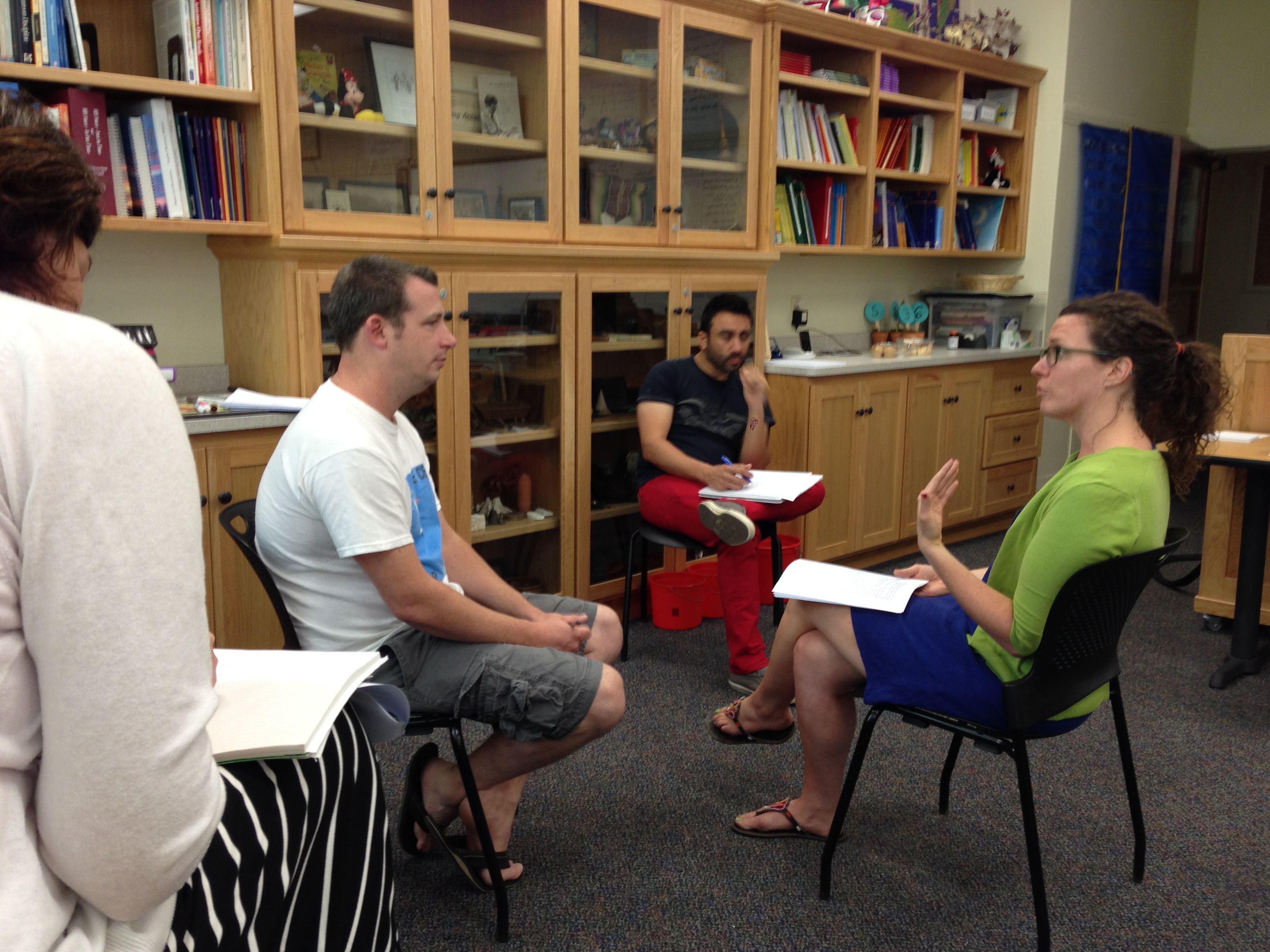
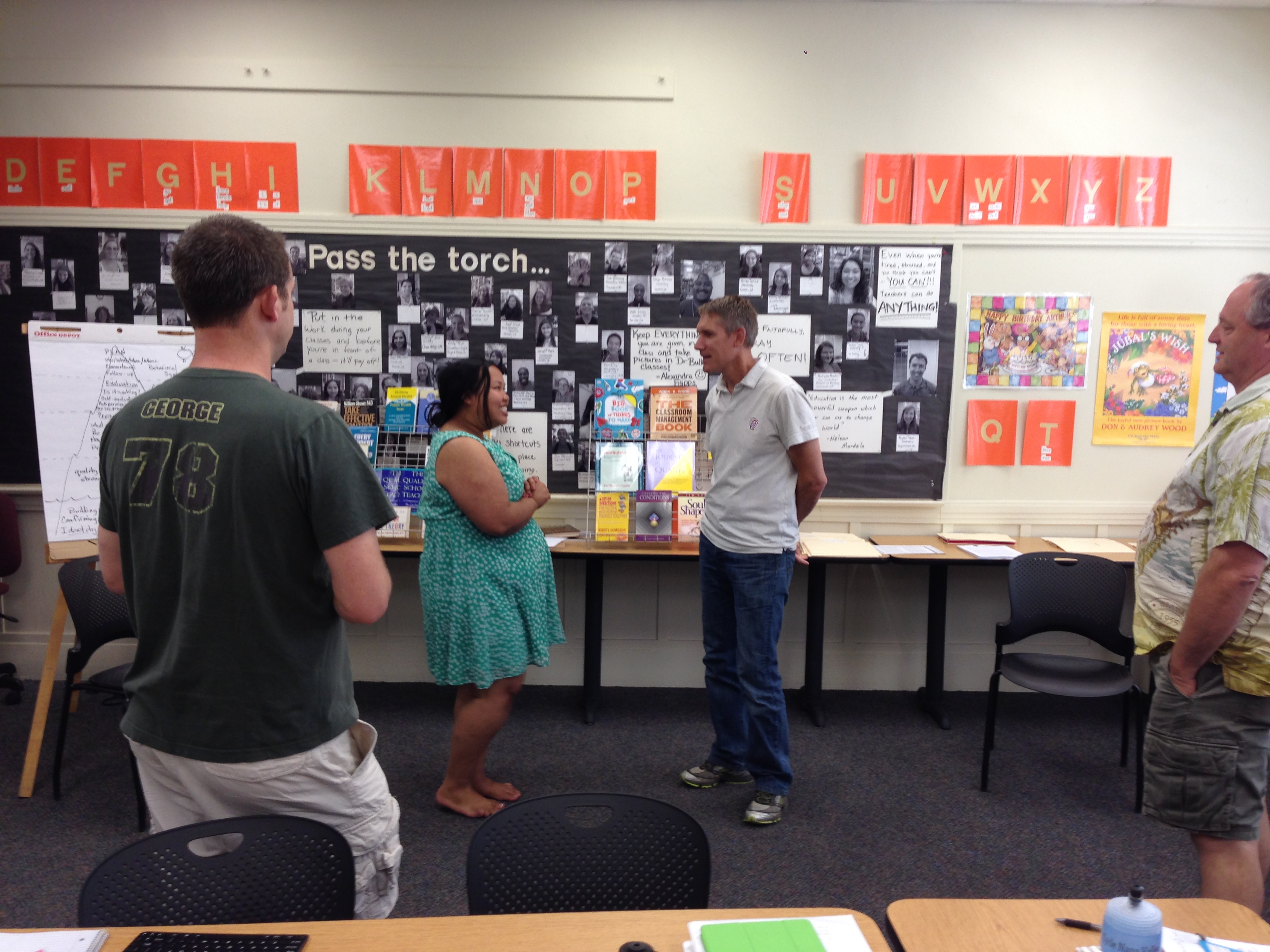
Soul Shapers 1 is off and running! The potential of the empty classroom turns into accomplishment and success as participants plan a skit that depicts how Behaviorism has infiltrated religion. (I should have recorded them. They were right on and hilarious at the same time. ) There is something very special about sharing the concepts of choice theory with people.

At the end of yesterday’s class, participants were asked to write out their ‘take-aways” from the day. Here are a few of the take-aways they shared:

+ The building of relationships is essential for students to do their best.

+ The effect that external control has on us and the actual degree of negativity it leaves on those we use it on.

+ External control reduces the quality of the product.

+ The most important thing is maintaining relationships!

+ “I’m a deadly habit user.”

+ Beware of the subtle ways in which we use stimulus-response strategies.

+ We must have a relationship or connection with our students in order to help or influence them for good.

+ I liked that Choice Theory is relevant to our spiritual life; that God gave us that choice and we need to incorporate choice in our relationships.

+ If there is a relationship, there’s influence.

+ We can manipulate, thinking we are doing a good thing. There’s no such thing as positive manipulation. It could be good influence, but manipulation involves enforcing something on another person without their approval. (I guess.) It made me think.

+ Learn to manage more with redemption.

+ Focus on being more supportive and caring to spark creativity and loving responses.

Believing in Students: The Power to Make a Difference

I recently ran across a blog post by Dr. Richard Curwin, the architect of Discipline with Dignity, a program that is highly complimentary to choice theory. I actually ran across this short article in Edutopia, a wonderful online educational resource that focuses on what works in education. If you haven’t connected with Edutopia yet, you must do so quickly!

Here is the article – Believing in Students: The Power to Make a Difference – which first appeared in December of 2012.

curwin-belief-in-students

by Richard Curwin

After a morning Discipline With Dignity training, the high school principal and I walked to the cafeteria to eat lunch. He said, “I love your session, but it’s not practical.” I responded with my view that it was practical because it works — but it’s just not easy.

He pointed to a girl sitting alone at a table and said, “Do you think it would work with her?” She looked like she was a character from the Mad Max movies. She had just been released from federal prison. Her look was extreme (maybe not so much today) with spiked orange and purple hair, tattoos, all black makeup including black lipstick and black rouge, and severe body piercings. The principal looked at me and said, “So what would you do?” I asked back, “What about you? How do you handle her?” He said that he would draw a line and tell her she’d better not cross it. I responded, “What if she says, ‘I’ll kill you?’ Which one of you will be more afraid, her because she crossed the line you drew, or you because she threatened you with death?” The truth is that if she’s been to prison, nothing that can be done in a school would frighten her. Detention? Calling her mother?

So he again asked what I would do. I said, “Talk to her.” And he invited me to go over and try it right then. So I did. Dressed in my three-piece suit, I sat down at her table. She looked at me for a minute and said, “Who the f**k are you, a***ole?” I was a little stunned and didn’t have time to read a book or check my notes. So I relied on two strategies I had just taught the teachers in my morning session: meet the real needs of students and use challenge instead of threat.

I said, “I’m someone writing a book on teenage violence, and I think you know better about it than me. If you have the courage to tell the truth and answer one question (challenge), I’ll put your name in my book (need to be noticed).” She asked what the question was, so I replied, “Are there any teachers who you listen to, follow directions, show respect and learn from?” She said she had one like that, and I asked her what made that teacher different from the others.

Her answer is one that I will never forget and has been one of the constants in my work ever since. It’s a movie scene that replays over and over in my mind. Right before my eyes, her answer transformed her from a tough, hardened criminal to a frightened little girl.

Because she’s stupid. She thinks I can get a job someday, that I may even be able to go to college, or be a good mother because I know all the things not to do.

Then she started crying. The tears streaked down her black make-up and made her look like a zebra with black drops falling on her white top.

I ain’t going to college and I ain’t getting a job. I’ll never be a mother. I’m a dead girl. In prison when they write your name on the wall, you die, and my name is there. I know I’m going back. But that teacher believes in me, and man, it really, really matters.

Later I put her name, Roxanne, in my book and tried to find her to give her a copy, but nobody knew where she was or how to find her.

Sometime later, I traveled the country doing trainings. I asked administrators if I could meet with about ten of their most troubled students. I did this for grades K-12, in urban, rural and all economic areas. I did it on two Indian reservations. I asked two questions: “Who is your favorite teacher and why?” I expected most to say they had no teacher who was a favorite. But they all did. Among the top reasons was, “They believe in me.”

Five Ways to Reach Out
Believing in students is not simply telling them that you believe in them. These words matter only if they are true and if you demonstrate them by your actions. There is no way to fake it, because kids have built in crap detectors (a phrase taken from Neil Postman, and Charles Weingartner, in Teaching As a Subversive Activity), and they can tell if you don’t mean it. Here are some ways to express it.

1. Stop Using Rewards
Rewards are not needed if you believe in a student. The reward implies to them that they only way you can get them to do something is to pay them. That is the opposite of believing.

2. Encourage Effort More Than Achievement
Not every child can meet the unrealistic goals of a test-mad curriculum. Every child can try to do his or her best. Ironically, the harder students are encouraged to try, the better they do on our crazy high-stakes testing.

3. Give Second, Third and Fourth Chances
In many states, the law says, “Three strikes and you’re out.” In most schools, the most troubled kids get only one strike. The message is, “Be the way we want or we don’t want you.” School is for all children and mistakes are part of the learning process, not just for academics, but also for behavior. Rather than strike them out, teach them the skills they need to overcome their deficiencies.

4. Don’t Say “You Failed” – Say “You Haven’t Done It Yet”
Encourage hope by letting students know that, no matter what they do, they can still do better. Safety always comes first in a school environment, of course. Sometimes safety concerns override points 3 and 4, but not as often as we think.

5. Increase Opportunities to Learn
The children who need recess the most are the first ones to lose it. Being removed from field trips, the cafeteria, library and all other learning opportunities only makes students less able to handle them in the future. No one would say to a basketball player, “You missed too many foul shots. You can’t practice until you get better.” It is time to stop giving more opportunities to those who have already proven they are successful while denying opportunities to those who need them the most.

If we can start reaching kids like Roxanne sooner rather than later, who knows how many lives could change?

==========

Jim Roy follow-up — Choice theory is based on the idea that people are self-governed through an internal control system. People respond to the world about them — to their environment, to expectations, and even to external pressure or force — from this internal control system. Teachers have the special challenge of reaching students who are forced to be in school and who are often distressed because of awful life circumstances. These students, while they may outwardly put up protective walls, yearn to be affirmed. Only by genuinely honoring their internal control systems can we begin to melt the walls and get through to them.

Stay on the choice theory journey! Either you will find the answer there or you will be in the right neighborhood to find the answer.

The Teacher in Me

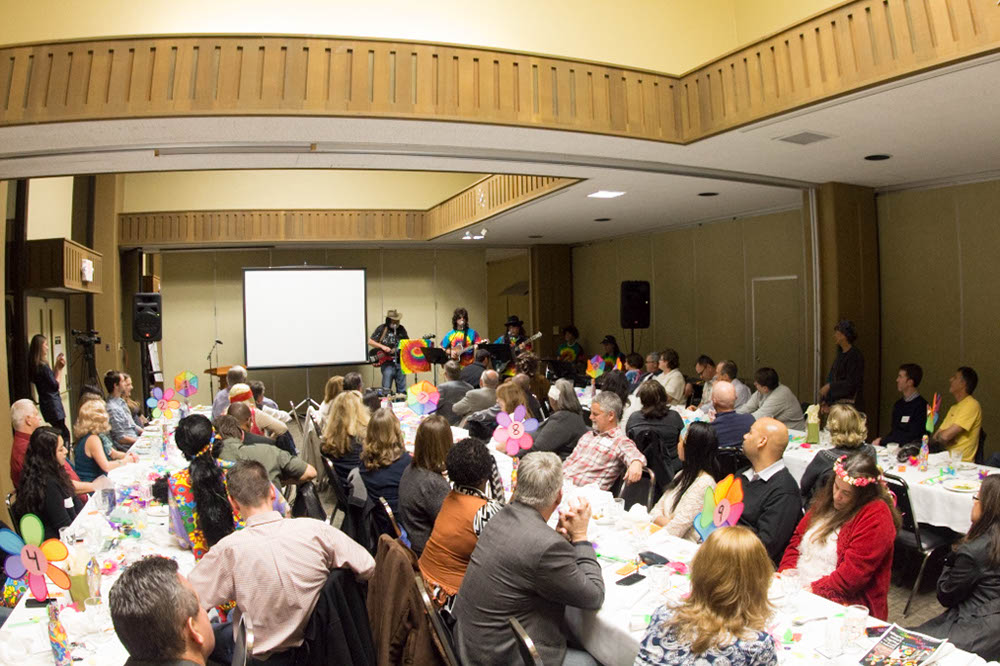
Our theme for the banquet was The 70s, with quite a few in attendance, including the band, dressing accordingly. Lots of fun.

Our theme for the banquet was The 70s, with quite a few in attendance, including the band, dressing accordingly. Rob Fenderson, principal at Redwood Adventist Academy, and Albert Miller, Assoc. Supt. for No. Cal. Conf., headlined the band.

Our Education Days’ banquet and job interviews took place this past Monday and Tuesday. This annual event is designed to connect our graduating teacher candidates with potential employers. A banquet on Monday evening leads to meet and greet mini-interviews on Tuesday morning. During the introduction part of the banquet, candidates head to the microphone and share about themselves as future teachers, often commenting on what motivated them to become a teacher and the pictures they have in their heads about the kind of teacher they want to be. For those of us who saw these candidates come to PUC as Freshmen, and have watched them conquer challenges and grow into adulthood, it is special to listen to them, on the verge of being hired and beginning their careers, describe their vision for education.

We enter our teaching careers with promise, exactly like these young teaching candidates, resolved to care about kids and make a difference in their lives, however it isn’t unusual for the pressures of the classroom and the rush of life to sweep our intentions aside. For instance, I received an email last week, written by one of my former students after he read the According to the Quality School blog

I just read your post about quality schools.  Ya know, I got into education wanting a classroom much like the one described in that post.  I specifically wanted to teach in public schools because I believed a teacher who had Christ in his heart and a desire to truly help children grow and not just claim a paycheck once a month and get summers off was needed more in the public school systems than in one of our Seventh-day Adventist schools.  But 9 years later I find myself being just like one of those teachers I swore I would never be.  I often feel defeated.  I feel like I am in a battle between myself and my principal, between myself and the state department, and between myself and a system that only cares about test scores and could care less about young people.  It has been a losing battle.  I feel defeated.  I have swum against the stream for so long and I am tired and it shows.  I used to create lesson plans that were fun, lessons that focused on getting young minds to explore, to ask questions, to learn from mistakes.  Now I find myself scouring the Internet for a worksheet just so I can “cover” a skill.  The other day I caught myself refusing to “waste time” answering a question from a student because it wasn’t a topic that would be tested on the state test.  A few years ago I would have stopped everything and had the kids start reading, searching the Internet, conducting experiments, and drawing conclusions to answer that question.  I would have tossed aside the lessons I spent hours preparing to let the kids answer that question.  Instead, I actually found myself saying, “Ask me at recess, we don’t have time for that right now.”  The child never asked me the question at recess.  And I forgot all about it.  What happened to me?  Ugh!!!  Not sure why I am dumping all this on you right now. Just read that post and guess I needed to get that off my chest and maybe receive some sage advice.  Sometimes I wish I was still at PUC.  The pressures of college were nothing compared to the pressures of full time teaching in a system that only cares about looking good on paper.   I hope all is well with you and your family.  God bless.

I share this letter because I think it may capture the thinking and feeling of quite a few veteran teachers. The constant crush of classroom responsibilities and details can crowd out our real reasons for wanting to teach. Choice theory beliefs seem to be especially fragile in the midst of this “crush.” We leave a choice theory workshop or training, or maybe finish reading a book about choice theory, and are fully intent on putting these ideas into practice. And we do for a time. But then the crush hits from multiple sides, maybe home is complicated, maybe our spouse is acting weird, maybe church is stressful, and then there is always the crush of school.  This is one of the main reasons I wanted to start The Better Plan blog. I want it to be a small part of your day that keeps the choice theory ideas alive and that reminds you that there are others of us that are on this journey, too.

I’m not sure if I responded exactly right, but what follows is part of what I wrote back to my former student – “It sounds like that teacher you feel you used to be is still in you, still wanting to show up in your classroom. I believe the circumstances you mentioned are real, especially the pressure to achieve on standardized tests. There are some things you cannot change. The question is, what are some things you can change? What are some things that would help you to like going to work more? What are some things that you can do that would help students realize they are cared for and that they can succeed? Is your school or district doing much with the Common Core yet? I see the Common Core as an important step away from the NCLB emphasis. The Common Core needs teachers to teach creatively and to empower students to learn.”

I don’t think what I said was that special, yet when he sent me a reply that included the following I was reminded how easy it can be to encourage one another.

As I read your post I am astounded by the fact that I don’t practice what I preach.  “You are the only one that you can control” has been a mantra of mine for several years now.  Your advice aligns perfectly with that mantra.  That is definitely what I will begin doing ASAP, taking a closer look at what I can do instead of focusing on what is out of my control.

His final thought is good advice for all of us. What are areas in our life in which we do have influence and control, and how can we make improvements in those areas? And to my fellow choice theorists, what are some of your “go to” thinking or acting habits when the crush begins to close in on you?

======================

Have a blessed weekend! We are finally getting rain and fog in northern California, which we desperately need, so it should be cozy soup-eating, book reading (or blog reading), by-the-fire weather.

Have Choose a good day!

My Dear Maggot

screwtape

The Screwtape Letters (C.S. Lewis’s 1942 classic) pulled back the curtains that shield us from Second Heaven and revealed conversations that occurred between an uncle and his nephew. Both of them were demons and as such both of them were in the business of tempting human beings toward wrong turns and wrong lives. Uncle Screwtape coached and counseled his nephew, Wormwood, as the younger tempter struggled to influence the life of the human to which he was assigned. It should come as no surprise that one day Wormwood himself would become the coach and pass on his knowledge to a younger relative, in this case his grandson, Maggot, a fledging tempter trying to learn the ropes.

My dear Maggot,

How touched I am that our communication is deepening and that you are so willing to lay open your thoughts and your struggles regarding your tempting strategies and the apparent lack of success that you are thus far experiencing. Honesty is not a trait that we demons display with any consistency, so I commend you for your candor. This openness will assist me as I counsel you toward more effective approaches. Keep in mind, too, that you are planting seeds of discouragement and resentment that will grow in due time. Be patient with your patient. Remember that you are in the business of making others discouraged, not in getting discouraged yourself.

In your recent letters you have shared so many details – your patient’s tendency to seek the Enemy, to want to be close to him, to want to get involved with helping others – which are all serious problems that need to be dealt with. However, it seems to me that in rushing from a tree here to a tree there, you are missing the bigger forest. Frustration over individual details are keeping you from seeing the bigger picture. Not that these details are unimportant. It’s just that seeing the bigger picture first will serve as a foundation from which to launch a more effective attack.

Since you have asked, I will begin to share with you some of the bigger, more essential elements that, I am confident, will re-focus and re-charge your efforts. Although I hate to quote the Enemy’s manual, it is instructive here to refer to a letter that traitor Paul (how he went to the other side is still beyond me) wrote to people in Corinth (a lovely city with so many wonderful problems). Anyway, he wrote that –

For the Kingdom of God is not just a lot of talk; it is living by God’s power. Which do you choose?    1 Cor. 4:20, 21

First, and I think you already know this, it is absolutely vital that you cloud and confuse the choice-power of your patient. This theme – the ability of humans to make effective choices – is rampant throughout the Enemy’s manual, yet so few humans really pick up on this. The minute they stray from this awareness we have them. For if they aren’t in the process of choosing, the alternative is that they are victims of circumstances, tossed to and fro by their tumultuous feelings. I smile just thinking about it. You and I both know that these disgusting little humans have been created in the image of the Enemy, with amazing internal guidance systems, but this must be hidden from them. At all costs.

You may at first question what I am about to write, but write it I must – religion is not our enemy. In fact, humans can be messed up by a lot of things, but nothing can mess them up as much as religion can. Paul (the turncoat) realized this when he wrote about the Enemy’s domain being about a lot of talk versus being about real power. Let his words be a lesson to you. Shower your patient with religion, let him marinate in its rules and habits and schedules. Just be sure to keep him in the realm of talking, and studying, and behaving. There are so many benefits from this focus! Where do I begin?

+ Being disconnected from the real power of the Enemy, they will try to surmise truth and reality from their own miserable, limited, little perspectives. The Enemy tried to warn them about this during his pathetic sermon on the mountainside (it is important to study what the Enemy says and does), when he pointed out that it is possible for them to think they are right(eous), when in fact they are right where we want them.1

+ One of the supreme benefits from the “lot of talk about religion focus” is its effect on their young. I savor this result as much as any of our victories. You would think they would have figured this out by now, but no, they continue to emphasize habits and lifestyles and right living. Let them talk, encourage your patient to talk. The fact is, and we must say this quietly, their young wouldn’t walk away from real power (who would?); their young walk away from talk. I’m almost laughing as I write this. Here they are desperate for power and they refuse to simply plug into the Enemy’s vast resources. It’s too easy, really.

+ Lastly (at least for this letter), without being connected to the power, religious humans lose sight of, and even move in the opposite direction of – I hate even to write the word – love. Based on what the Enemy has done for the wretched things you would think that christian would be a wonderful word to them, a cherished concept. Yet look at what the word christian evokes in people now, especially in that place they refer to as the United States. (united? lol as they would say) When humans hear that word now they often think about pictures of self-righteousness, political posturing, and meanness. This is a victory that must be placed near the pinnacle of our successes! One of the Enemy’s writers, that awful little Ellen White, explained this process perfectly, yet fortunately she may as well have been writing to a wall.

When men indulge this accusing spirit, they are not satisfied with pointing out what they suppose to be a defect in their brother. If milder means fail of making him do what they think ought to be done, they will resort to compulsion. Just as far as lies in their power they will force men to comply with their ideas of what is right. This is what the Jews did in the days of Christ and what the church has done whenever she has lost the grace of Christ. Finding herself destitute of the power of love, she has reached out for the strong arm of the state to enforce her dogmas and execute her decrees. Here is the secret of all religious laws that have ever been enacted, and the secret of all persecution from the days of Abel to our own time.2

I was worried, even scared, when I first saw what she had written, thinking that the earthlians would “get it” and head back onto the Enemy’s path, but I was soon reminded my fears were unfounded. They are more into being right, and making others be their view of right, than they are in being connected and (forgive me) loving. Keep your patient focused on the value of rightness. Prompt him to be willing to sacrifice others for the good of the right. And by all means, present to him the importance of religion and the value of knowing, dissecting, and being right.

I apologize for my droning, yet I remember with such affection the counsel I received from my Uncle Screwtape when I, like you now, needed it most. You are my cherished grandson and I yearn for your success. I look forward to more of our discussions.

Pridefully,

Grandpa Wormwood

P.S. – I know that you wanted me to specifically help you with a concept your patient is studying called choice theory. You are correct to be concerned about this. Hopefully, you can see how my letter begins to address these concerns. The concepts of choice theory are part of the Enemy’s way and I am glad you discerned this on your own. More on this later.

1. Matthew 6:22, 23
2. White, E. (1896). Thoughts from the Mount of Blessing, (p. 126-127). Takoma Park, MD: Review & Herald Publishing Association.

=======================

If you like today’s blog, feel free to share it with others. Encourage them to sign up for the blog at http;//thebetterplan.org