A Picture Is Worth a Thousand Discussions

satirical-art-pawel-kuczynski-6-620x


Some pictures just cause us to pause and think about what we are seeing. This picture did that for me. (Thank you, Chris Kinney, for sharing this picture with us.) What a great discussion-starter it would be in a class, especially a choice theory workshop. Or maybe ask participants to come up with a title for the picture. It certainly causes us to think about classroom learning strategies and our own experience as a teacher and as a learner. In the year and a half The Better Plan blog has been going, the posts have shared several “discussion starter” pictures. Today’s blog is a gallery of those pictures. So much can be captured in a photo, a drawing, or a painting.

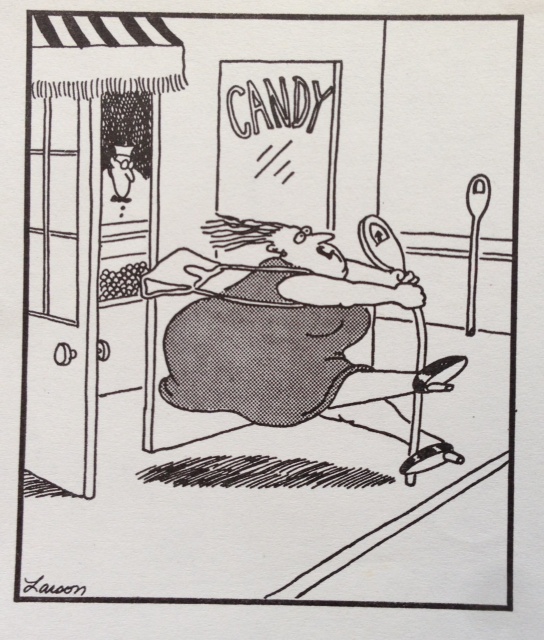
Candy Vacuum   We Choose   strings-attached   Push or Pull
Still a classic, no matter how many times I see it.

Still a classic, no matter how many times I see it.

self-assessment-1
This is such a dark picture, yet it captures a process in which we might find ourselves.

This is such a dark picture, yet it captures a process in which we might find ourselves.

amnesty_print_chains


It is a good thing when we can help people see how powerful the pictures they place in their quality worlds are, and how these pictures drive us toward their fulfillment. It is good, too, when people come to see how valuable freedom is, not just freedom from political tyranny, but freedom within our own thinking and behavior. Sometimes a picture can say more than a 20 minute lecture, and it invites a personal response in ways that a lecture may not.

==================

Leaving tomorrow morning for the 2nd International Glasser Conference, being held in Toronto, Ontario, from July 9-13. I am looking forward to seeing some of you there. I am presenting at the conference, first thing Thursday morning, about the biography and key aspects of Glasser and his ideas. I think I’m ready. We’ll see how it goes.

I spent a lot of time yesterday trying to be able to sell my books, Champion of Choice and Soul Shapers, right here on the blog. It can be done, however it is fairly expensive to set it up. I may end up just having people send me a check, along with their shipping address and any instructions for how they may want me to sign the book. If the requests for signed editions of the book are great enough, I would definitely want to add an on-line sales option.

================

Have you contributed a review of Champion of Choice on Amazon? Why not take a moment and do that now? It doesn’t have to be lengthy, and it’s easy to do.

Fascinating Data Confirms Choice Theory

0706GRAY-master675

Fascinating research data from over 11,000 cadets entering West Point over the last nine years confirms that not only are people internally motivated, but also that external motivators are actually counter-productive.

Scientists wanted to know which kind of motivation works best — internal motivation or instrumental motivation — internal being the kind of motivation that comes from within, and instrumental being the kind of motivation that comes from external factors. Is one kind of motivation better than another, or maybe, is a combination of both the way to go?

Cadets evaluated their motivation as they entered the Academy and then were tracked after they graduated. The following excerpt from the article captures the main point –

We found, unsurprisingly, that the stronger their internal reasons were to attend West Point, the more likely cadets were to graduate and become commissioned officers. Also unsurprisingly, cadets with internal motives did better in the military (as evidenced by early promotion recommendations) than did those without internal motives and were also more likely to stay in the military after their five years of mandatory service — unless (and this is the surprising part) they also had strong instrumental motives.

The stronger the instrumental motives (external reasons for entering the Academy) the worse the performance and the less committed cadets would be to staying in the military.

I think most people believe that an effective combination of internal and external motivation factors would be most effective. This study, however, argues against that. Choice theory contends that we are always internally motivated. External factors may give us information to consider, but those factors are internally weighed against what we really want.

You can read the New York Times article for yourself at –


==============

If you have read William Glasser: Champion of Choice, why not write your reaction to the book and submit it on Amazon.com. It’s simple to do and the more that respond to the book, the more people will be alerted to its existence. Let’s get the word out about choice theory!

Think about also getting a copy of the book to the book reviewer of the newspaper in your town. Every little bit will help.

5 Reasons Choice Theory Works 100% of the Time

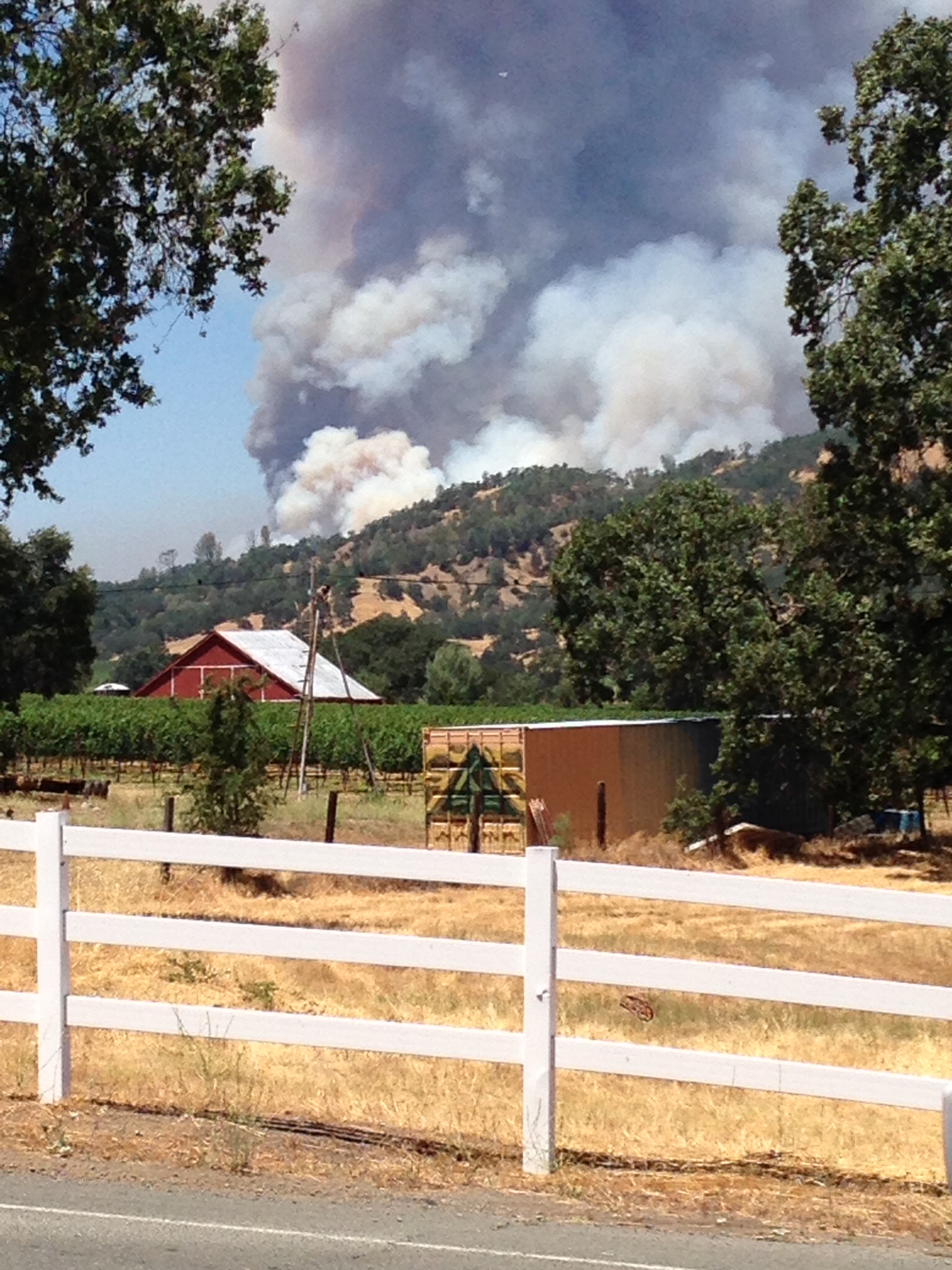
The view when I walked out of the Education building.

The view when I walked out of the Education building.

As I walked out of the Education building at Pacific Union College yesterday afternoon, a large plume of smoke caught my eye. It seemed to be very close and in the direction of my house. It was the kind of hot, windy afternoon that fires love, and intensified by months, and even years, of drought here in California. Colleagues came out onto the front porch of our entryway and joined me in expressing concern and a bit of worrying.

I didn’t think I would get very far, but I decided to head toward the smoke and see what I could see. Sirens had been wailing as fire vehicles sped by the college, so I figured the appropriate blockades were in place. I headed toward Pope Valley and made it all the way to the top of Pope Valley Road, which surprised me. The cloud, although more blocked by trees, still loomed large.

From the top of Pope Valley Road.

From the top of Pope Valley Road.

I decided to head down the hill and see how close I could get to Pope Valley. Remarkably, I thought then, I was able to wind my way to the bottom of the hill and park my truck so that I could walk to the best vantage point. The smoke cloud, still large, was in plain view further down valley than I had thought it would be. Somehow it looked smaller as I got closer.

From the old Pope Valley gas station at the bottom of the hill.

From the old Pope Valley gas station at the bottom of the hill.

Standing across the street from the Pope Valley Fire Department, I could clearly see the orange colored clouds billowing up from the ground; I could see the spotter planes begin to circle over the fire, getting the exact bearings on the fire’s location and I assume helping to organize the efforts to contain it; I could see the bigger planes come in, the ones that dropped retardant on the flames; and I could see fire trucks begin to rapidly appear from Cal Fire and nearby communities. Instead of speeding by to the fire, though, the trucks always pulled into the wide area in front of the Pope Valley Fire Station, sometimes several of them there at the same time. After a few minutes, sometimes longer, the trucks and their crew would turn onto Butts Canyon Road and head north toward the fire.

Waiting to be called in. There would soon be a lot more trucks here.

Waiting to be called in. There would soon be a lot more trucks here.

This was interesting to me and I wondered aloud to a friend standing near me why the trucks seemed to be wasting time when they could be getting to the fire sooner. “Oh,” he explained, “the trucks always wait until they are called in with specific instructions on exactly where to go. It would be a mess if all the trucks just raced to where they thought the fire was.” It made perfect sense after he explained it. I thought again about the coordinated symphony of man and machines – planes, helicopters, ambulances, police cars, fire trucks, personnel trucks, and a host of other support vehicles – and all of the experience that went into knowing how to attack a large fire in a remote area. The fire fighters, whatever their role might be, know what works. There are proven fire-fighting principles that they apply. Their lives depend on these principles.

My friend, Tom Amato, is a strong believer in the principles of choice theory. As director of the Napa Valley Youth Advocacy Center, Tom works to improve, and sometimes even save, the lives of children and teens. Whether a kid is struggling in school, struggling at home, having run-ins with the law, self-medicating with drugs, or developing anti-social behaviors, Tom is relentless in his desire to connect with him/her, to listen, to support, and even to provide opportunities to become engaged in meaningful service to the community. It’s amazing, really!

One thing Tom has said to me more than once is that when the principles of choice theory are correctly and consistently applied, they will work 100% of the time. It is true. There may not be an instant change in those with whom we work, but the principles lead to change. We can count on them as surely as the fire fighters count on the principles of fire fighting.

We know, for instance, that –

+ a positive relationship means everything. We must get and stay connected to the kids we are working with.

+ a need-satisfying environment is important. Rather than on changing the kid, we can focus on providing a need-satisfying structure in our classroom or teen center or wherever it is that we work with himher.

+ the caring habits really work! At-risk kids, when interviewed about what helped them turn things around for the better, consistently mention that they just needed an adult to listen to them, to accept them, and to seek to understand them. As human beings we all respond to the unconditional regard of the caring habits.

+ to get into another person’s quality world, we can only be invited and placed there by the person himself. If we work with kids it is important that we are in their quality world, but we can’t force our way in. We can only behave in a way that the kid will put us there.

+ kids need structure, but not structure designed to accentuate a power struggle. Kids appreciate coercionless-structure.

Of course, it isn’t just kids that respond these principles. We all do!

Here’s to the fire fighters, who make our world a safer place!

And here’s to choice theory, whose principles make our world a better place, too! (With special thanks to Tom Amato.)

===============

Have you read William Glasser: Champion of Choice yet? If not, I will soon be offering signed copies right here from The Better Plan website. Stay tuned.

I am planning on bringing some copies to the 2nd International Glasser Conference next week in Toronto. Hope to see you there!

 

It’s OK, as long as I am not harming others. Right?

slide.001


Any pleasure that does no harm to other people is to be valued.   Bertrand Russell

This statement caused me to immediately pause and consider the extent to which it is true. Since choice theory is in my quality world, the statement was filtered through my concepts of choice theory. How about you? Is Russell’s view accurate?

Unlike most psychiatrists of his day, Glasser did see importance in moral behavior, although his definition of moral is significant. To him, moral behavior occurred when a person met his own needs without keeping someone else from meeting theirs. He frequently referred to the Golden Rule in the Bible as a good maxim by which to live.

If we stopped here, Glasser would probably support Russell’s statement about personal pleasure. However, Glasser didn’t stop with just his definition of moral. He went on to describe the difference between pleasure and happiness, at least as he came to define them.

He came to see happiness as a key human need and goal. He viewed the terms happiness, choice theory, and mental health, as synonyms. He felt that it could be said that “mental health is choice theory is happiness.” Happiness comes from being close and knowing how to stay close to the important people in our lives; it comes from engaging in activities that add strength to our lives; and recognizing our basic needs and our power to make choices, more and more we come closer to being in self-control. Happiness has much to do with our relationships with other people.

Glasser came to see pleasure as something people pursued to temporarily change a feeling. His concept of total behavior has feeling as one of the back tires on the total behavior car, a part of our behavior that we cannot directly control.

Total Behavior Car

The concept of total behavior reminds us that our mental health and happiness depends on our ability to choose to live in the realm of the front tires – that being our thinking and our acting. Our feelings can be very strong, though, even what “feels” like overwhelming. Many people attempt to address the feeling, rather than staying on the front tires. A desire to feel good, or at least to not feel bad, can lead to many behaviors. Some seemingly innocuous ways we attempt to feel good or numb our pain include eating, shopping, traveling, watching movies, and playing video games; less innocuous ways of feeling good include alcohol, various drugs, sex, including pornography, and gambling. The ways in which we attempt to feel good are in fact the ways in which we self-medicate. Self-medicating behaviors do not address the root of our unhappiness; they just attempt to change a feeling, even for just a little while. This self-medicating pursuit of pleasure leads to two things – 1) you need to up the dose of whatever your medication of choice is, and 2) addiction. Rather than coming into a place of greater personal strength, we arrive at feeling powerless in the presence of our “pleasure.” And rather than bringing us closer to others, especially the important people in our lives, our pursuit of pleasure erodes our personal connections.

This is such a dark picture, yet it captures a process in which we might find ourselves.

This is such a dark picture, yet it captures a process in which we might find ourselves.

This additional definition of pleasure vs. happiness adds an important element to how we might process Russell’s statement. Now, when we read . . .

Any pleasure that does no harm to other people is to be valued.

. . . we realize that pleasure that does no harm to others may still be harming me. And it brings up a really important question – Is it possible to be in the process of harming myself and not, ultimately, to be harming my relationship with the important people in my life?

 ===============

The Glasser International Conference is coming up next week in Toronto, Canada, and I am looking forward to seeing all of you who  are a part of that. For me, it will be a bit of a homecoming, as I began my teaching career in 1978 in Oshawa, Ontario, just 1/2 hour from Toronto.

IMG_1229 IMG_1230 IMG_1246 IMG_1236 photo 1 IMG_0031  photo 2


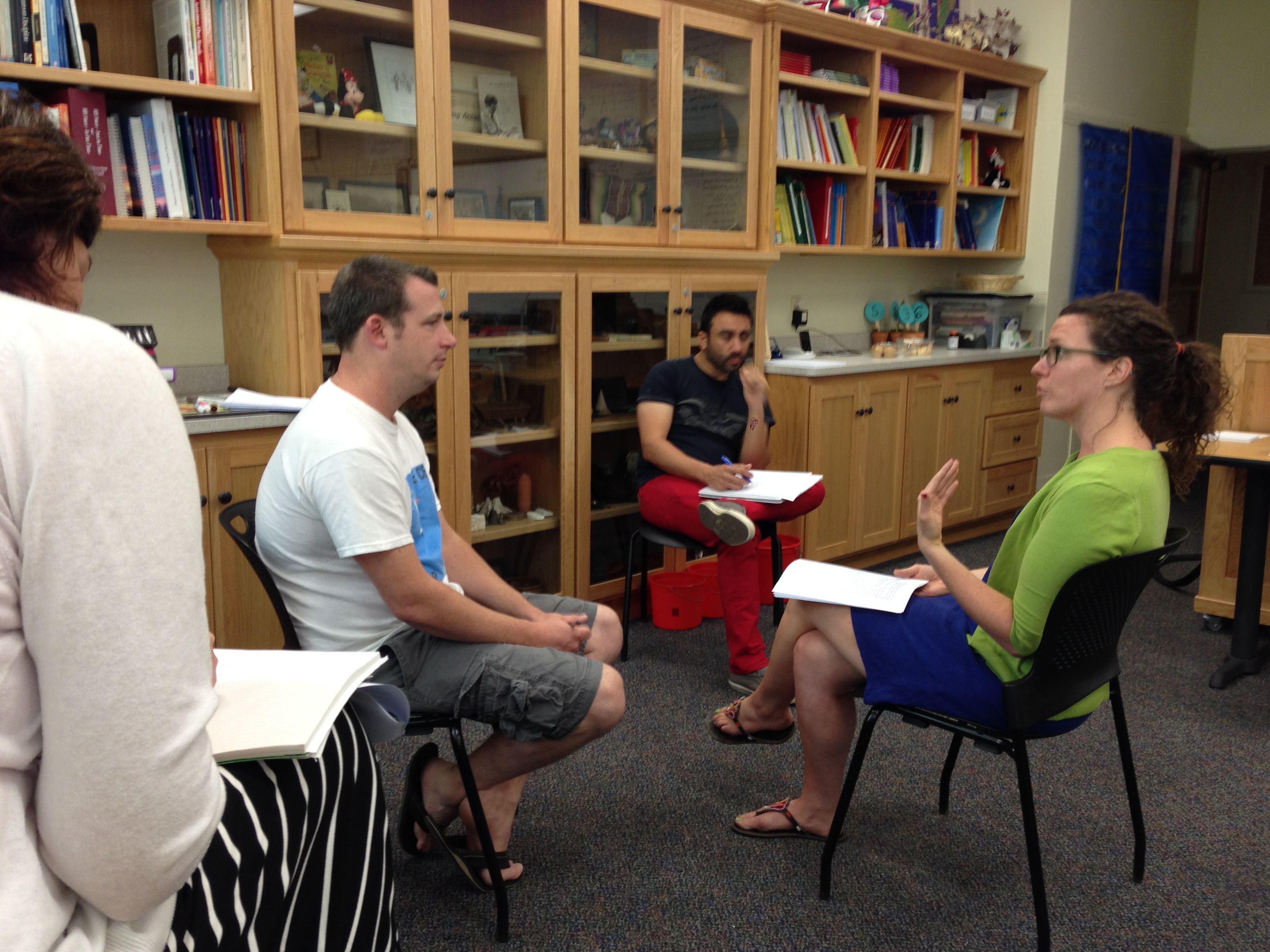
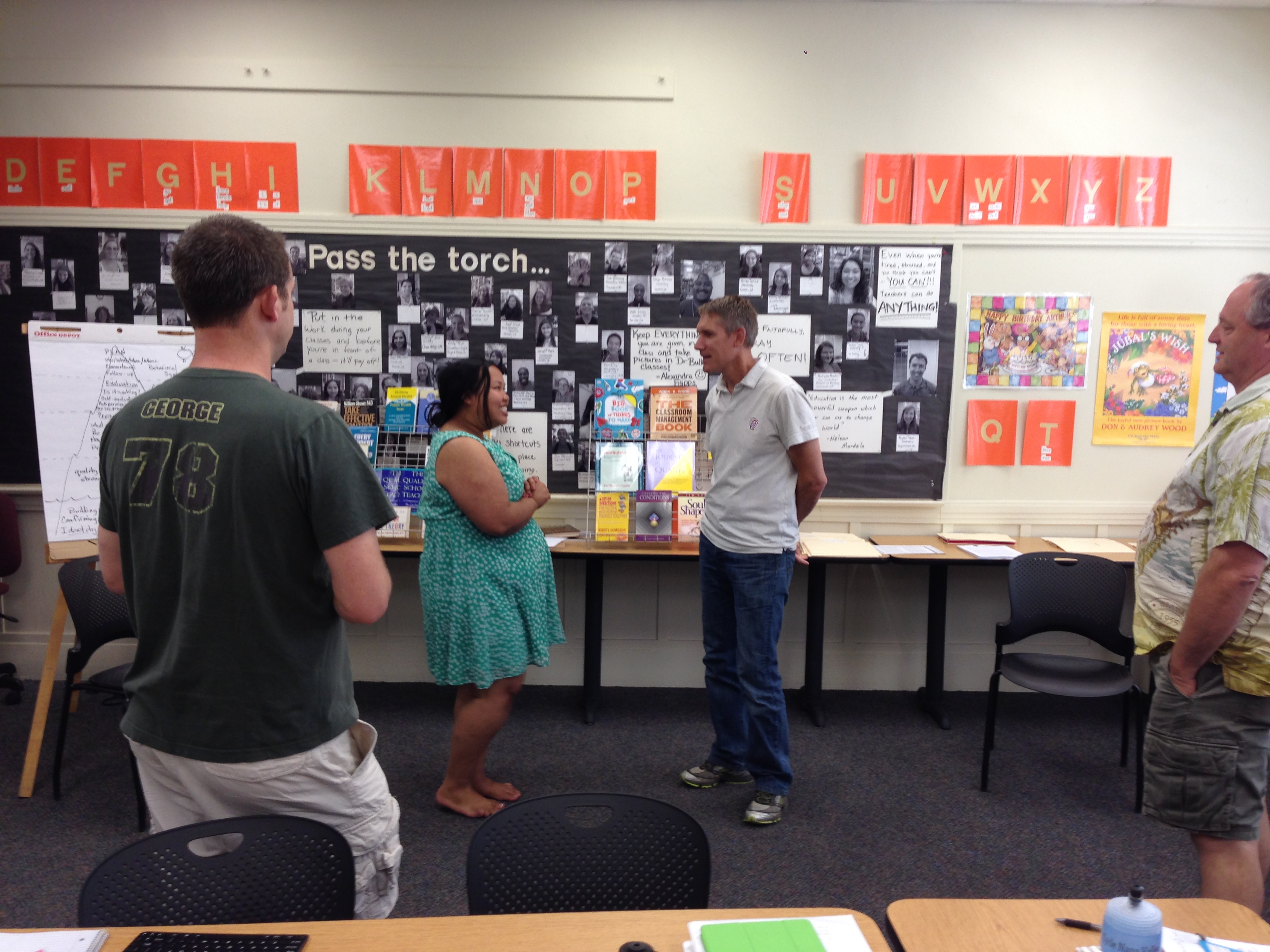
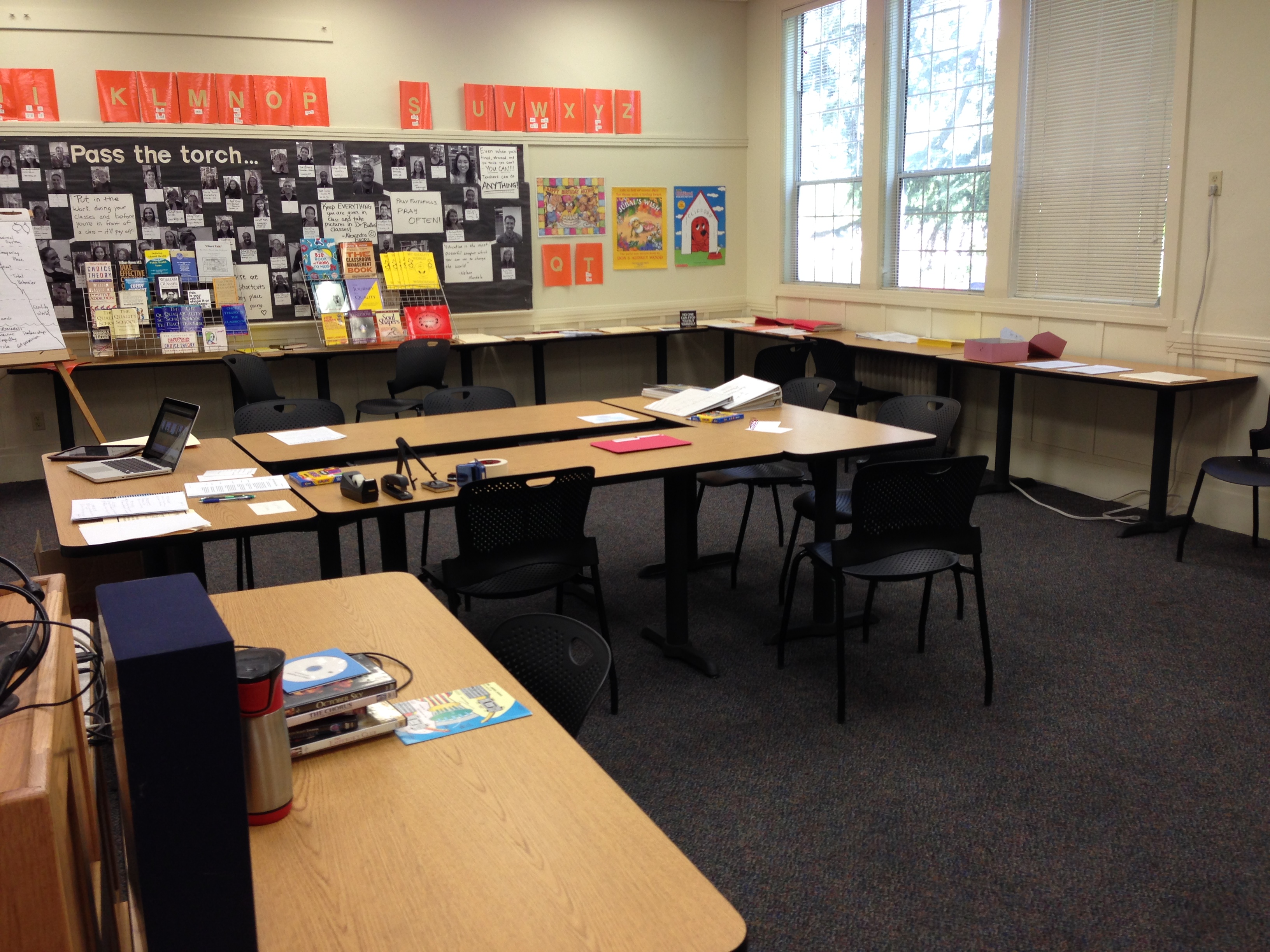
Soul Shapers 2 concluded this past Thursday and the classroom quickly went from learning activities and creative role plays to a quiet space where things needed to be organized and put away. After good-byes class members headed back home to places like Santa Rosa, Monterey Bay, and Newbury Park. It’s interesting to me how close people can become as they learn about choice theory together, and especially as they practice the learning through role play.  Role playing is fun, but it is also a vulnerable process in which friendship bonds are formed.

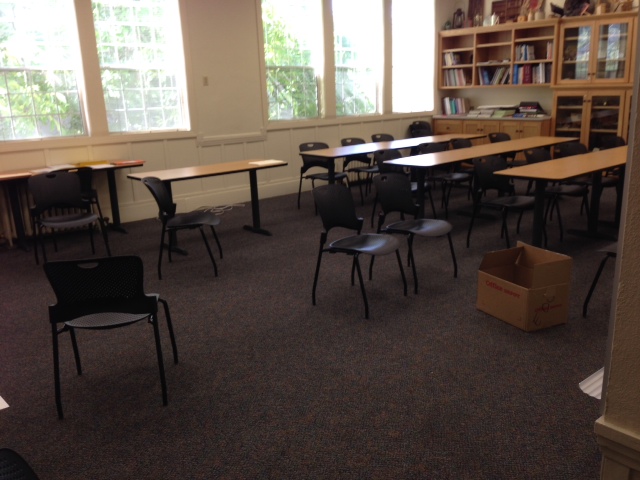
The vulnerability to which choice theory invites us creates a rather “sacred” space to me, so it is a little bit difficult to change the furniture in the room back to the way it was before the Soul Shaper classes began two weeks earlier. Important moments happened in this space and moving the tables and chairs back to their straight, impersonal rows seems to move on from those moments too easily. Folders with (what I think are) important handouts and activities must be organized and re-filed, the filing cabinet draw ultimately closing them in darkness. When will I call on them again? How soon? Planning notes and lesson plans also put away, but shouldn’t I modify them based on the new ideas these most recent classes have taught me. Shouldn’t I review which activities worked well and which didn’t?

I have such mixed feelings as the Soul Shaper classes come to an end each summer. I feel good about making new friends, and seeing them make new friends,  and hearing them talk about how they want to show up differently, personally and professionally, now that they understand choice theory in new ways.  I feel a bit of fear, too, as I think about each of them heading back to the complexity of their unique realities, wanting to apply choice theory, but stumbling in their initial efforts to do so and maybe being distracted from the new ideas and ultimately reverting to their old habits. The crush of the new school year in the Fall often provides the final blow in the “forgetting” process. It doesn’t have to be so; this is just my “fear.” Participants in this year’s classes expressed as much commitment to the choice theory ideas as any class I have ever taught. If these ideas are as important as I think they are, then the Holy Spirit will take it from here and continue to provide insight and support.

Assignments for the Soul Shapers 1 class are arriving in my inbox every day now and they are encouraging to me as I read them. One of the assignments is to write a short review of the Soul Shapers book (2005). The opening paragraph for one of these reviews indicates that the writer “gets it” —

William Glasser, an influential psychologist and educator, has devoted his life to challenging many long-held theories in the field of psychology, most famously, the stimulus-response theory. This theory states that human behavior can be motivated and controlled through external stimuli. Behavioral scientist icons such as Pavlov, Skinner, and Watson, all built their contributions to the field of psychology with this “truth” as the cornerstone. As a result, people have spent the last century believing that it is possible to “control” the behavior of others. This assumption has been particularly damaging in the field of education where teachers have spent entire careers attempting to control their students through bribery, punishment, and coercion, falsely assuming that their students’ successes and failures are a direct result of these external controls. After years of observations, both in and out of the classroom, Glasser developed an alternative to stimulus-response theory called choice theory, which states that all of our motivation comes from within ourselves, and that we make our own choices and decisions on how to best meet our needs. Glasser believes that it is crucial for teachers to develop positive and meaningful relationships with their students in order to empower them to make good choices based on internal motivation rather than external control.   EC

For the same book review assignment, another class member shared that —

As a Seventh-day Adventist educator I do want my students to have a relationship with God, to become thinkers and not mere reflectors of others’ thoughts, and to become morally responsible human beings. Glasser’s methods formed a clearer, step-by-step approach to make it possible for students to use the tools of thinking, evaluating, planning, and doing. This year I would like to give more attention to activities that will help build relationships in my classroom and that will give me more insight in the basic needs of my students. I want to make a more deliberate connection to each student.   SG

It us such a gift to students when teachers organize their classrooms based on these kinds of insights. To be a thinker, rather than a mere reflector others’ thoughts is a pretty awesome life skill!

I continue to be uncomfortable with the term Soul Shapers, maybe more so than ever. In fact, I think I am more uncomfortable with the Soul Shapers label than Glasser was with the Control Theory label. He ultimately switched to Choice Theory, a label he felt was much more accurate. I want to switch, too, since the term Soul Shapers implies the idea of one human being shaping the soul of another person. Choice theory implies just the opposite of that process. Worse yet, there is a cookie cutter graphic on the cover of the Soul Shaper book, which I didn’t see until after the book was published. I like the term The Better Plan much better than Soul Shapers. Maybe next summer I will be teaching The Better Plan 1 and The Better Plan 2 classes.

=============

1308277

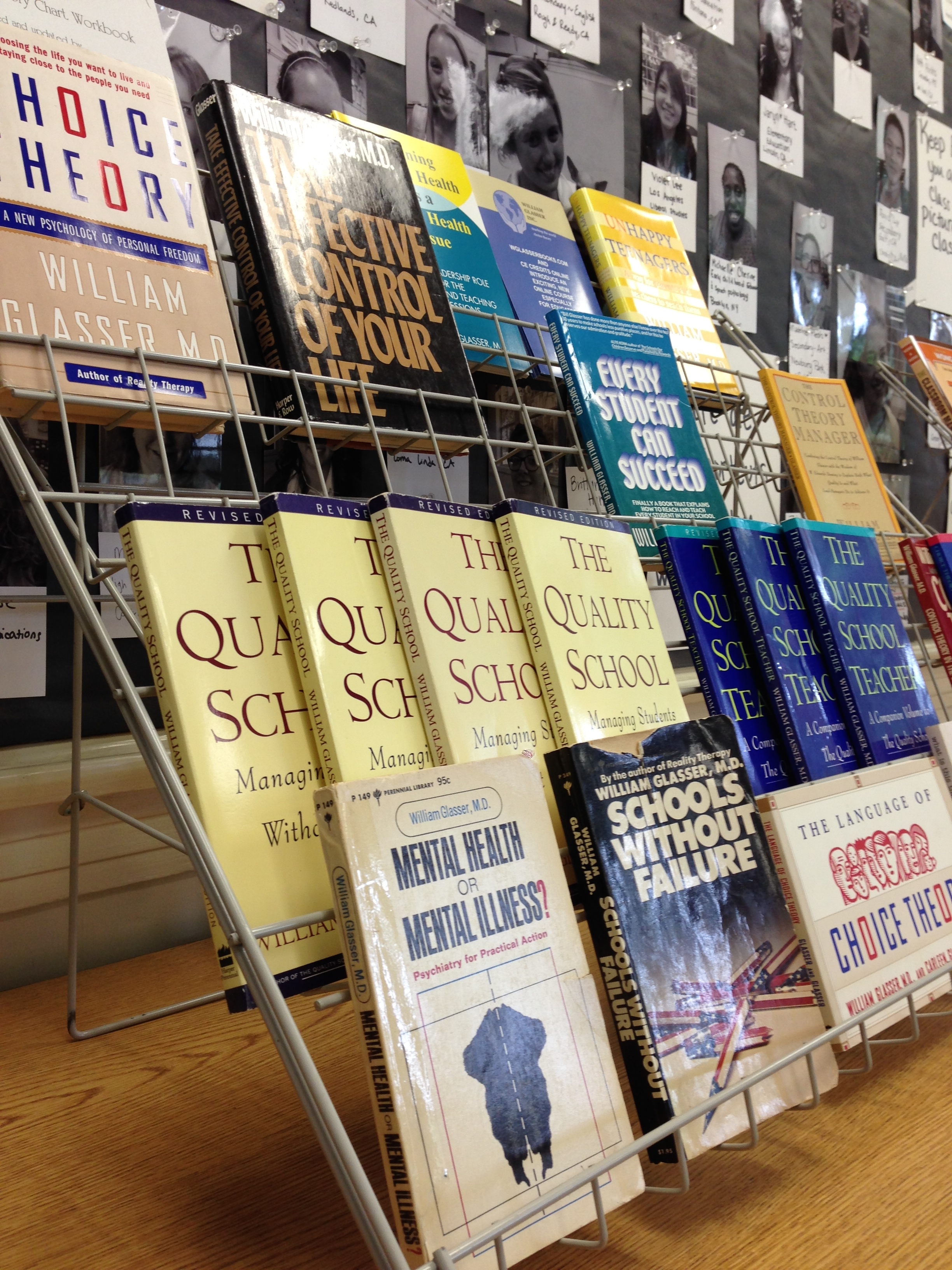
If you are interested in the Soul Shaper book, you can easily get a copy through Amazon. New copies are going for $12.50 and used copies are going for $5.00. I am wanting to set up an option through the blog for people to be able to order both of my books — Soul Shapers and William Glasser: Champion of Choice — but I haven’t got to it yet. In the meantime, either book is available through Amazon or through the publishers directly. The Glasser book can also be purchased through the Glasser bookstore.

Honey, this is getting out of control .  .  .

The second Soul Shapers workshop ended yesterday and already class members are sharing articles, stories, songs, and video clips that they are seeing in a new way — like this Verizon commercial. As you watch it think about the ways it taps into choice theory concepts.

How many choice theory ideas did you see or hear?

+ It really captured how the preferences of adults can shape a kid. And so much of it is about little stuff that adds up over time.

+ It captured the subtle ways that adults seek to control children.

+ It made a point about how little time adults spend listening to, and the supporting, what their children are really interested in.

What did I miss? What choice theory points did you see the clip bring out?

================

Ok, since we’re looking at clips, and since we are looking at creative commercial clips, here’s one that class members used to teach a piece of The Chart during Soul Shapers 1. A girl, feeling like she is being left behind by her friends, fakes her period and then is surprised by her mother’s response. Pretty hilarious. But also instructive when it comes to the “steering wheel-like” nature of our quality world.

It’s amazing what comes to the fore during choice theory trainings. Gotta love it.


Three Types of People – Awesome, Dangerous, and Run

Three Types of People


It is so interesting to me how involved human beings are in creating their own reality. I think this is one of choice theory’s important contributions to understanding our own beliefs and behaviors.

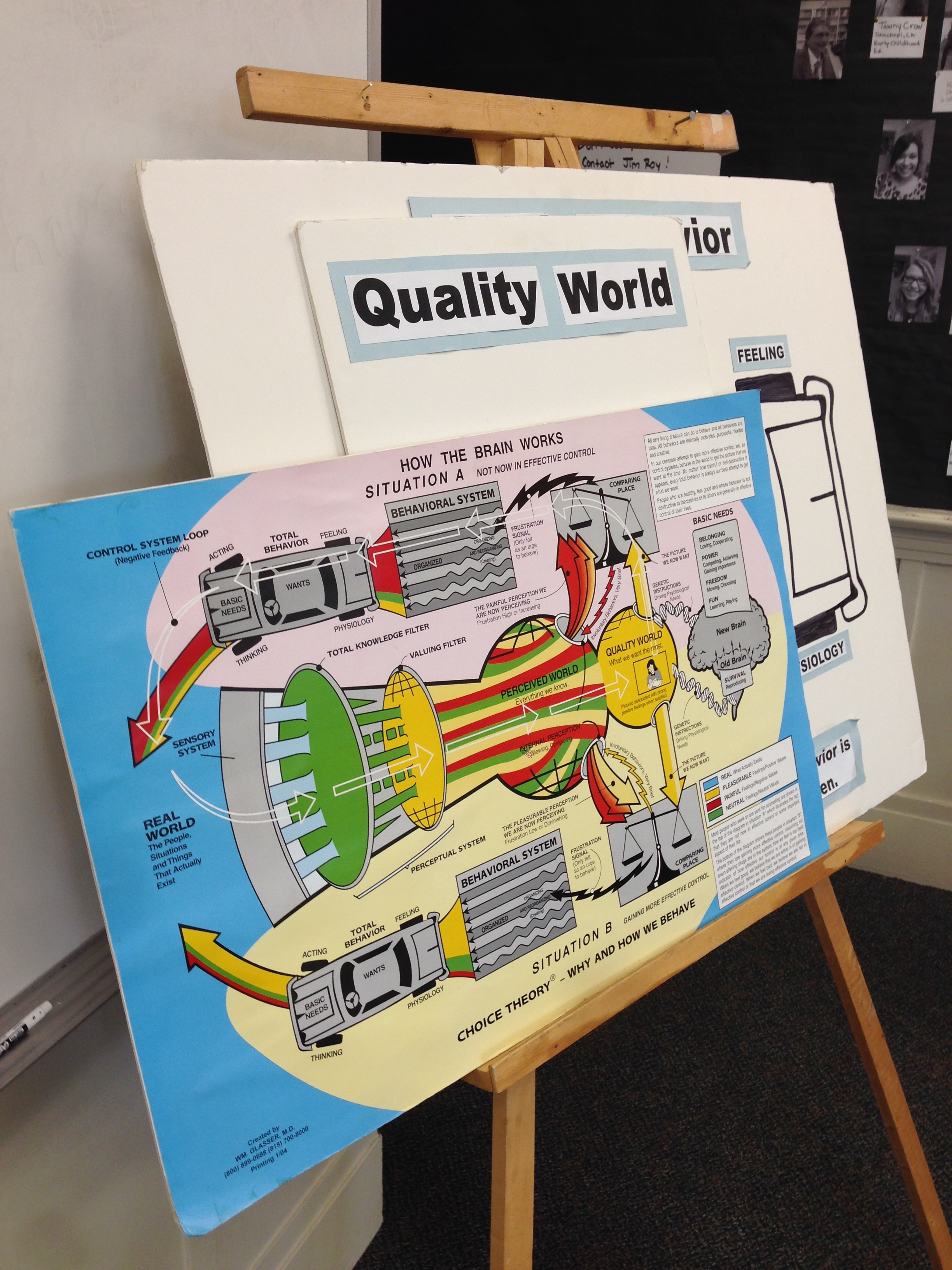
In our Soul Shapers 1 class last week we covered the quality world, the photo album in our heads where we store specific pictures of everything that is need-satisfying to us, and the perceived world, which basically is our view of reality. Choice theory describes how we create pictures that represent what we want;  choice theory also describes how we create a world view that represents what we think we have. This explains how a person can be so sure of his/her interpretation of an event, in spite of viable alternative interpretations or data that says otherwise. (Imagine a wife being incredulous as she wonders aloud to her moody husband, “You took it that way when I said that?” Really?”) An alumnus of a choice theory training I did last summer sent me the graphic above, which really portrays the possible views of reality.

In #1 the arrangement is considered healthy because the person understands that his view of reality may contain elements of the Truth (I use a capital T on purpose), or reality as it really is, but he also recognizes that his view may not be totally accurate. Such a position allows for growth and new learning as new information and experiences come into view. Such a person believes in his view of Truth, but he also allows others to follow their path toward Truth.

In #2 the arrangement is becoming dangerous because the person believes that his views all fit within what is ultimately True and real. He might not have all the Truth yet and may not have a total picture of reality, but he is in the right place to discover Truth. It is good that this person allows for not knowing everything yet; it is less healthy, and even dangerous, since the person has defined the bounds of Truth and his views all come within those boundaries.

In #3 the arrangement has reached a point where the rest of us can only be encouraged to run away from this person as fast as we can. This person believes that his view of reality is exactly the same as Truth; that the world as he sees it and prefers it is exactly as it should be.  Such a view becomes especially dangerous when a person believes that his view is ordained by God.

Because I believe in the first arrangement, the one where a person may perceive reality exactly as it is, and then again may not, does not make me a relativist. To me, such a view doesn’t mean anything goes. I have beliefs that I hold dear, including beliefs about God and His role in the creation and redemption of humankind, yet I embrace these beliefs through faith. I can’t prove them, at least in the way we think of the word prove. I have beliefs about how people should treat one another and the role that government should play toward providing a fair playing field for all citizens, and my beliefs may be right, although I recognize I don’t have a pipeline to Truth. I am convinced that Truth, capital T exists, and I desire to find it and come more and more into alignment with it.  Rather than thinking that I have arrived at Truth and Reality, I appreciate it when others can improve my views and help me see things more clearly.

=================

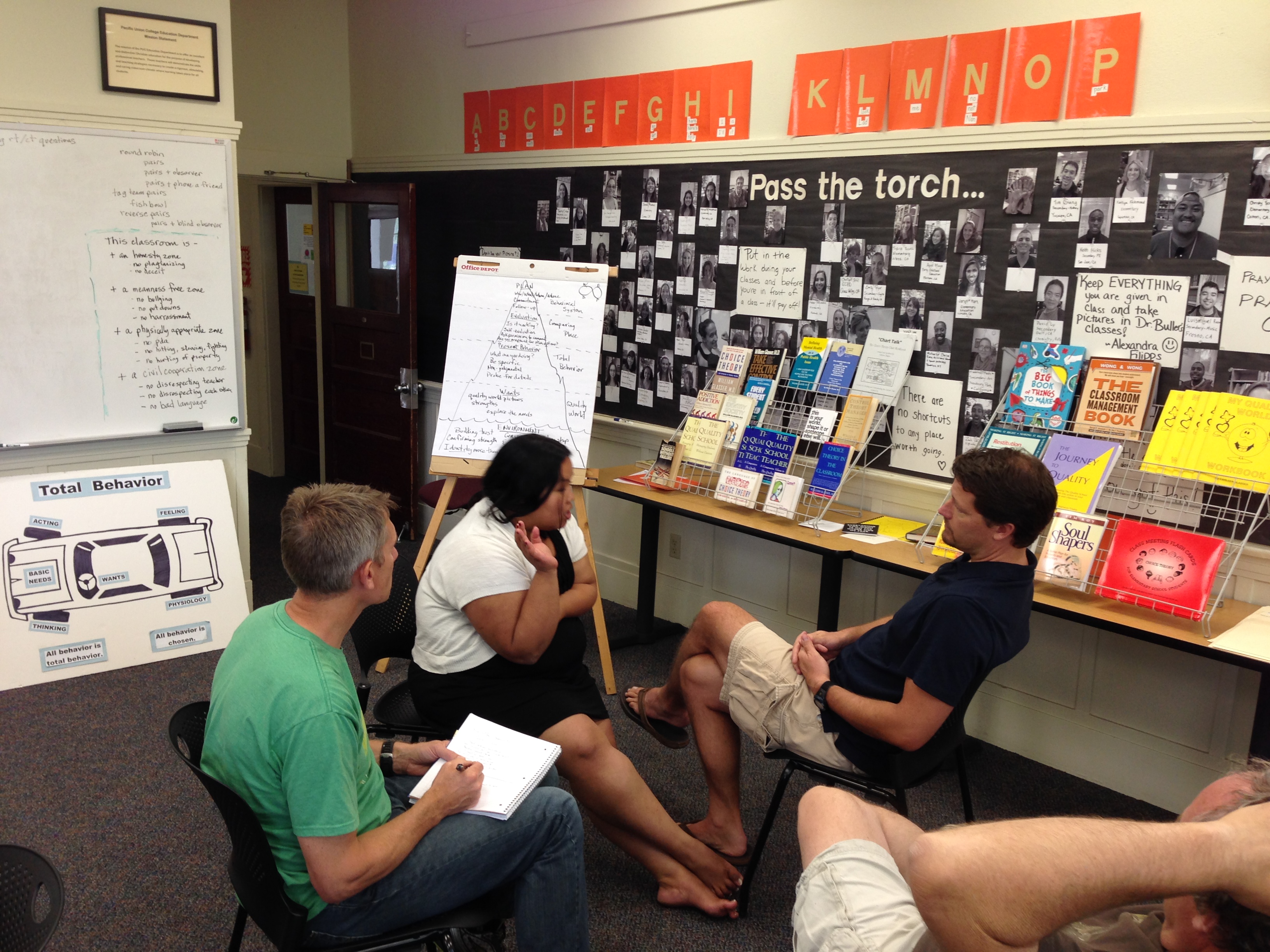
Tomorrow is the last day of Soul Shapers 2. It’s been a very good week. I’ve appreciated the Soul Shapers alumni that have joined us each day to join in the role plays and provide added coaching. The role plays were really good today. We’ve eased into the role plays, starting with attainable wants, but moving into more challenging scenarios today. The role play below has a teacher talking with a student who was involved in a fight again and may be expelled from school. I should have recorded it as it was that good! Sean Kootsey, History teacher at Pleasant Hill Adventist Academy, in the role of teacher, talks with Yuliana Pandjaitan, Math teacher at Newbury Park Academy, who is in the role of the student who was caught fighting.  Both Sean and Yuliana hit this role play out of the park! So well done. Yuliana played the role of the student a little “too” well. 🙂  Dan Muhic, Science teacher at Napa Adventist Christian School, is in the role of observer and will help Sean and Yuliana in the process of self-evaluation when the role play is completed. Herb Dunn, Industrial Technology and Business teacher at Monterey Bay Academy, also observes and will give feedback to the trio afterward.

What to do after being caught for fighting?

What to do after being caught for fighting?

While the class includes instruction and discussions and film clips and guest presentations and group activities, role playing is at the heart of the advanced Soul Shaper workshop. It is pretty amazing the way in which insights and skills can be gained through role playing real-life scenarios.

The Drive Home


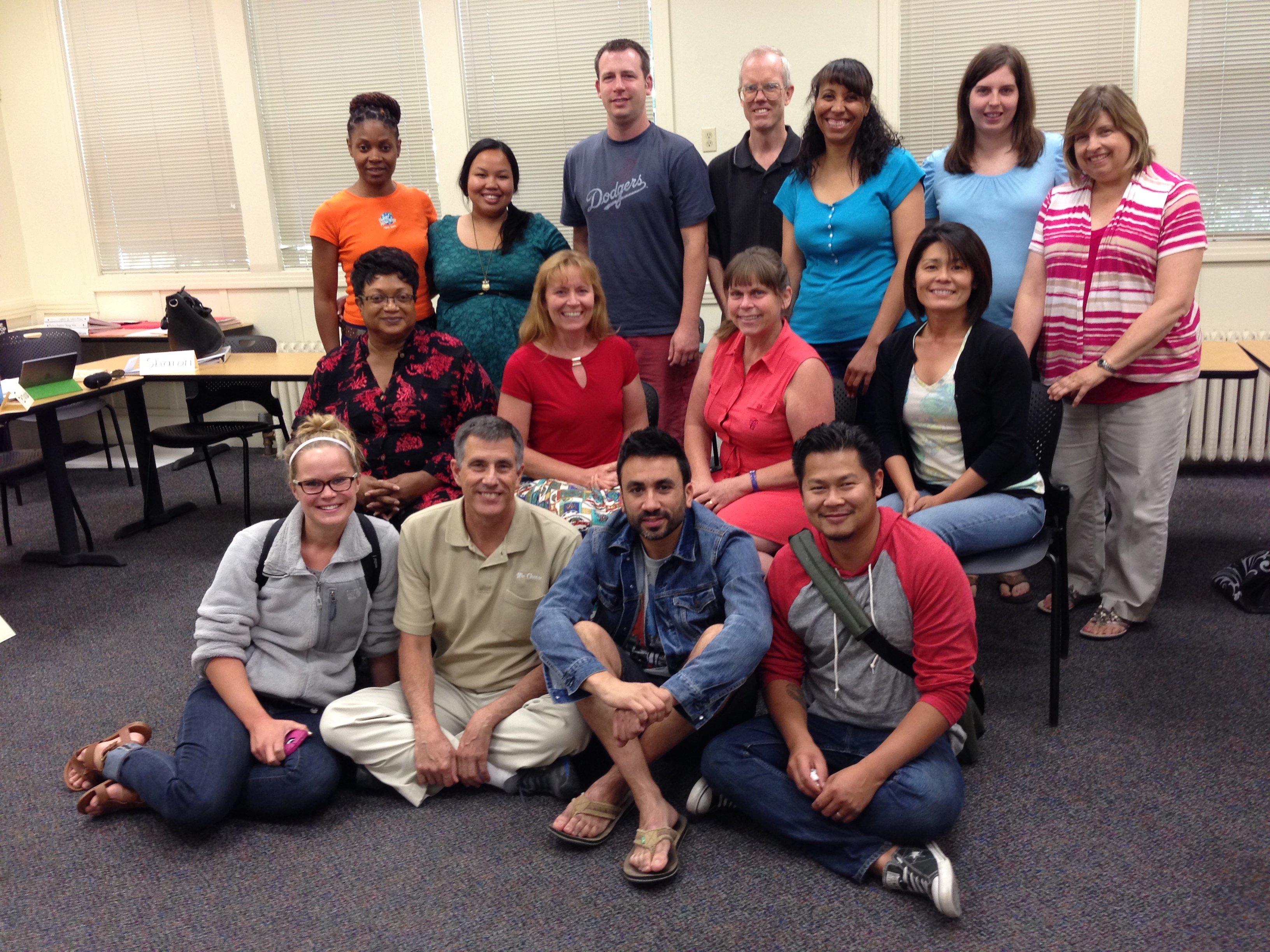
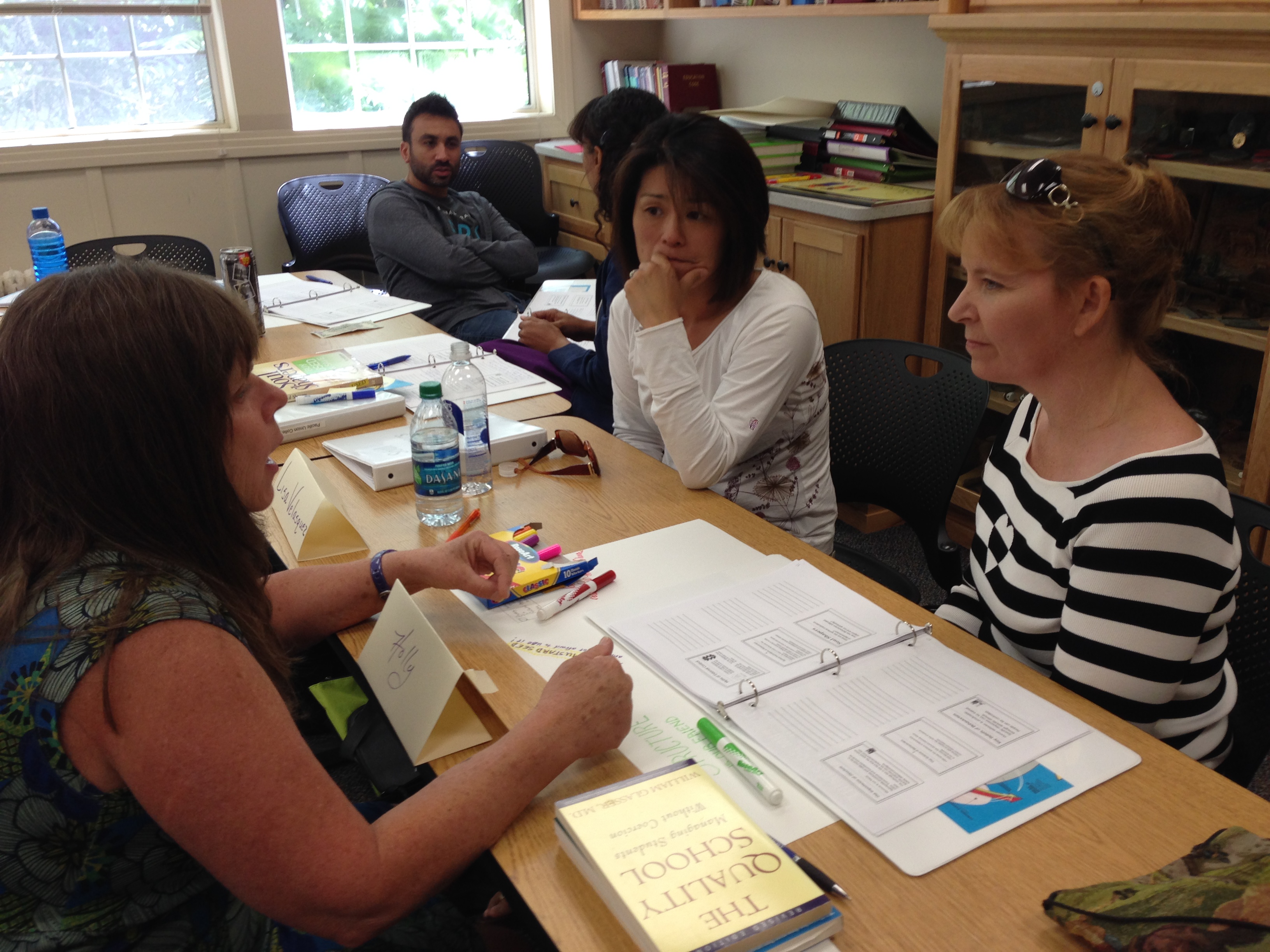
Soul Shapers 1 class, summer of 2014; a talented group of teachers who taught me a lot.

Soul Shapers 1 class, summer of 2014; a talented group of teachers who taught me a lot.

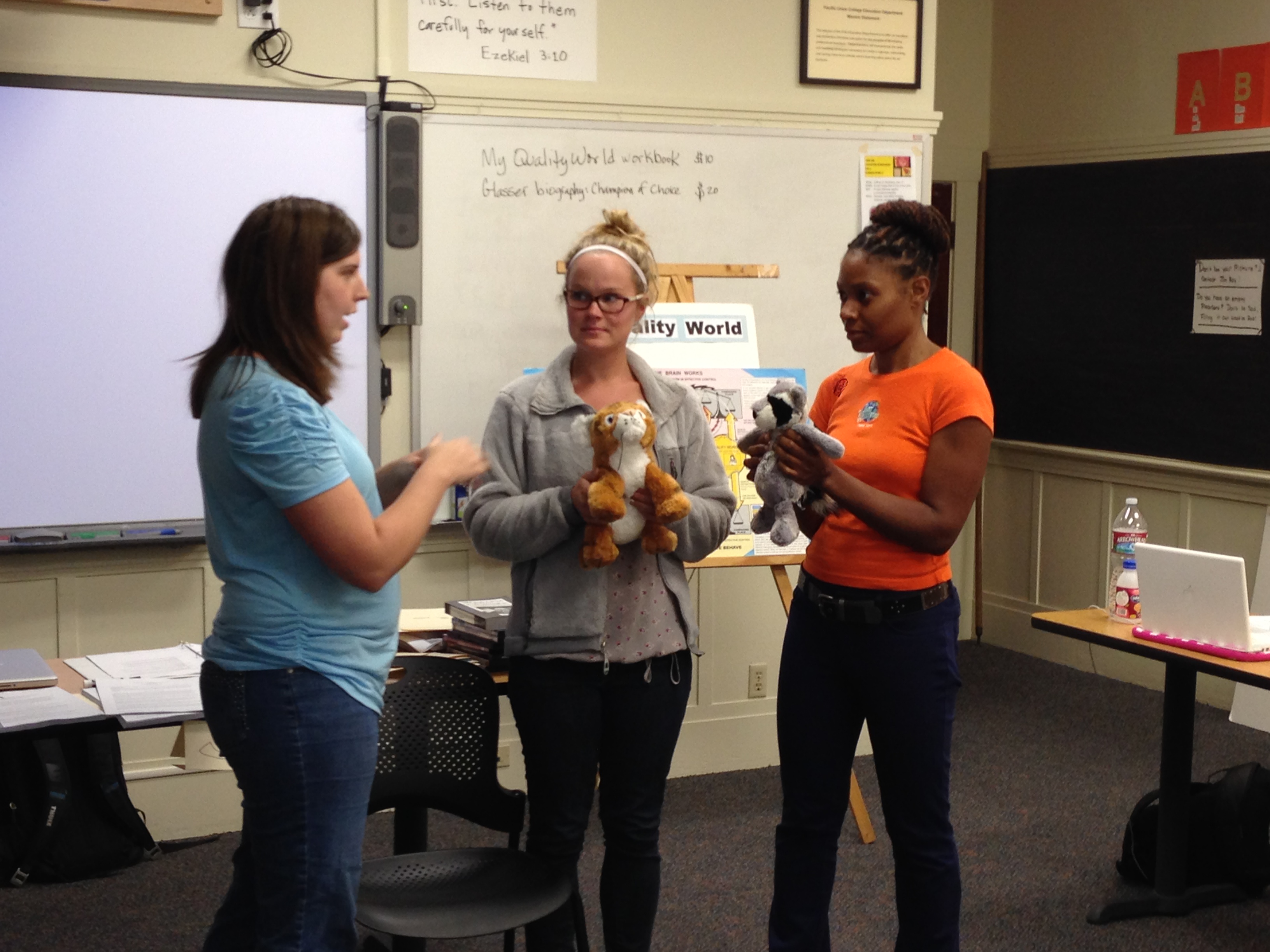
I want to give a big thank you to the Soul Shapers 1 group from this past week! I said a few things, facilitated a few activities, and led a few discussions, but it was their openness, creativity, and insight that really made the week a fun and meaningful experience. For instance, the following chart presentation examples were all created by them.

Chart presentations: A teacher-created small booklet could by used by students to identify their basic needs.

Chart presentations: A teacher-created small booklet could by used by students to identify their basic needs.


Chart presentations: Puppets can be used to help students process their behavioral center choices.

Chart presentations: Puppets can be used to help students process their behavioral center choices.


Chart presentations: A creative role play format leads to a better understanding of total behavior.

Chart presentations: A creative role play format leads to a better understanding of total behavior.

Most of the classmembers headed out for home after class ended on Thursday afternoon, although not all of them. A few of them are sticking around for the weekend so that they can continue in Soul Shapers 2, which begins on Monday. One of the those heading home didn’t have far to go, as she works right here at PUC. Others from the class, though, had longer trips – five from locations around northern California, three from central California, two from southern California, and three from Salt Lake City.

The trip home after experiencing a choice theory workshop can be an intense time of reflection. So many new concepts that have us thinking about our motivations and evaluating our behaviors. I haven’t checked in yet with this class about their trip home yet, but former participants have shared things like –

“Well, my head was kind of spinning, that’s for sure. The choice theory ideas, plus the Scripture and Ellen White stuff, it was pretty clear, and it made sense to me. But hearing this stuff for the first time, I was like, now what?   RG

“Well, to be honest, I was a little bit discouraged as I drove home. I had great memories from the time in class, the new friendships and all, but as I really thought about how I had been showing up with others, especially my own children, I just felt a little bad. I really want to get rid of the deadly habits and use more of the caring habits.”   HR

“Hmm .  .  . the trip home? I think I was pretty obsessed with the whole concept of how we control for our perceptions, you know, the idea that we place a picture in our quality world and then live in a way to make that picture happen, including manipulation as needed. That really nailed me for some reason.”   PA

“I was pretty excited, actually! I was thinking of ways that I could present the choice theory ideas to my students. I agree with you that doing the ideas ‘with’ them will be way better than doing the ideas ‘to’ them. If all I did was teach them about their Basic Needs and the Quality World, that would be such a gift for them. I plan on doing more than that, but just those two concepts would make a huge difference!”   AS

“I found myself thinking about the classroom management things I am going to change next school year.”   DS

“It hit me how much I was in the habit of blaming others for stuff, which kind of absolved me from any role in helping to make things better. Like I would blame the kids’ homes for not raising them right, and I would blame the kids for their lack of performance in class. Of course, with this way of thinking it never occurred to me that how I set up the classroom and the learning may have had something to do with their poor performance.”  JJ

Choice theory does indeed invite us to reflect on our own thinking and our own behavior. Instead of our musings being aimless, though, or negative, choice theory helps us reflect in a positive way that leads to effective change. I look forward to checking in with the latest classmembers about their reflections as they traveled home.

==================

If you have read William Glasser: Champion of Choice, I encourage you to write a review of the book on Amazon. Together we can get the word out there that Glasser’s story and the ideas he championed are worth paying attention to. It’s not hard to contribute a Review of the book on Amazon and it doesn’t have to be long. Think about it.

==================

If you haven’t read Champion of Choice yet, then put it on your reading list for this summer. Besides a good story, you will learn a lot about choice theory and how to live your life.

photo


IMG_1198 IMG_1199 IMG_1200 IMG_1201 IMG_1202 IMG_1204

A quiet classroom begins to take shape in anticipation of the Soul Shapers workshop, which began yesterday. There is something special about a classroom before class begins. Potential hangs in the air and fills the space. Thinking will be affected and lives will be changed. It’s a sacred place to me.

IMG_1208 IMG_1209

Soul Shapers 1 is off and running! The potential of the empty classroom turns into accomplishment and success as participants plan a skit that depicts how Behaviorism has infiltrated religion. (I should have recorded them. They were right on and hilarious at the same time. ) There is something very special about sharing the concepts of choice theory with people.

At the end of yesterday’s class, participants were asked to write out their ‘take-aways” from the day. Here are a few of the take-aways they shared:

+ The building of relationships is essential for students to do their best.

+ The effect that external control has on us and the actual degree of negativity it leaves on those we use it on.

+ External control reduces the quality of the product.

+ The most important thing is maintaining relationships!

+ “I’m a deadly habit user.”

+ Beware of the subtle ways in which we use stimulus-response strategies.

+ We must have a relationship or connection with our students in order to help or influence them for good.

+ I liked that Choice Theory is relevant to our spiritual life; that God gave us that choice and we need to incorporate choice in our relationships.

+ If there is a relationship, there’s influence.

+ We can manipulate, thinking we are doing a good thing. There’s no such thing as positive manipulation. It could be good influence, but manipulation involves enforcing something on another person without their approval. (I guess.) It made me think.

+ Learn to manage more with redemption.

+ Focus on being more supportive and caring to spark creativity and loving responses.

The Incredible Lemon Cake

A piece of cake from the Social Work consecration reception at PUC yesterday.

A piece of cake from the Social Work consecration reception at PUC yesterday.

A magical cake was served at yesterday’s Social Work reception and during the celebration and visiting I was reminded of the power of choice and how all behavior is purposeful. It is graduation weekend at Pacific Union College and several of the subject-area departments have special ceremonies for their graduates. The Social Work consecration yesterday also included farewell messages to Dr. Monte Butler, longtime faculty member of the department, who has accepted a position at Loma Linda University. So, back to the cake.

I guess it could be described as a lemon cake, but this simple label falls far short of how good this cake really is. It is so moist, and so just-right tart, with cream layers in between the lemon cake layers, that it can only be described as epic, even life-changing. It comes from somewhere in Canada and is shipped frozen to fortunate buyers across the country.

My wife organizes the reception and I was helping her and some students get the cake out on the serving tables. The first person to arrive at the reception area after the consecration service was a woman who came directly to the cake table and picked up one of the plates on which sat a beautiful piece of the magical lemon cake. I was close by and pointed out how her life was about to be changed by a cake that was beyond good. She mentioned how hungry she was, as she was about to bring it to her mouth, but I stopped her. I wanted her to fully appreciate the culinary excellence she was so close to enjoying. She paused, but then bit into the richness. “Wow!” she affirmed, with a faraway look of reflection on her face, taken to that place where only a few all-star food items can go. The she looked at me, though, and asked, “Is this citrus .  .  .?”

I replied, “It’s lemon.”

“Because I’m allergic to citrus,” she continued. “I’ll break out if I eat this.”

I pointed to the chocolate cake that was also on the serving table, thinking that this was a pretty good secondary option under the circumstances. However, she looked at that magical lemon cake again, then at me, then back to the lemon cake, and quietly admitted, “But this is too good. I’m gonna eat this anyway.”

She had exclaimed, “Wow!” just a moment before, and now I was privately thinking “Wow!” to myself as she walked off and continued to eat the incredible lemon cake. A part of me was curious as to how long it would take for the breaking-out process to occur, but I got busy with other reception duties and am unable to report on that.

What I can say is that our brains are wonderfully complex organs that at times defy logic. The human quest to satisfy our basic needs, and the uniquely personal ways we develop to meet those needs, is a powerful process. This lady’s decision to eat the cake, a thoughtful decision as she paused with the cake on her fork, in spite of her body’s negative reaction to it, is an important reminder of our ability to make choices. We each face similar decisions every day. Choice theory doesn’t make us make good decisions, but it does reveal our purposefulness in the decisions we make, which is a good thing, a very helpful thing. Choice theory is also empowering, sometimes frustratingly so, since we can’t blame circumstances, other people, or even an incredible lemon cake, for the choices we make.

This particular lemon cake came pretty close to being blame-able, though.