How To Make Schools Better For Kids

IMG_2311

Time magazine (Sept. 7, 2015) featured an article this week about strategies that will lead to happier, healthier, and better prepared students. Each of the eight bullet points appear below, along with their choice theory strengths and weaknesses.

homework

Ditch Traditional Homework
Many seem to view homework as a non-negotiable requirement, even though it leads to such mixed results, including high levels of stress at home. Teachers may feel that they are creating a more “rigorous” program by assigning consistent homework, but students don’t necessarily benefit from such rigor. When projects are meaningful to them, students are often willing to work on them wherever, whether at home or at school. It’s ok to occasionally have students complete assignments at home, but more often as educators we should be trying to protect home time as family time.

-a092096e994b24fd

Make Recess Mandatory
Taking recess time away from students is one of the most common “motivators” of a boss manager. Recess is the most popular time of the day and adults for decades have used it as a threat or form of punishment. Childhood obesity rates have quadrupled in the last 30 years and prominent voices from many fields are calling for more physical activity, not less. I do think recess time should be honored, rather than used as an external controller, however I don’t think we have to make them mandatory. There are times when students might want to finish up a project or get ready for a presentation. We just need to stop using recess as a punishment tool and recognize its value when it comes to student physical, psychological, and social health.

Screen Kids for Mental Illness
I don’t see it as helpful to evaluate and label children with mental illness diagnoses. I do see it as helpful to create and maintain need-satisfying schools where students learn to self-evaluate their own needs and wants, and where they learn to be responsible for their own behavior. When this kind of learning takes place within a warm, caring, and fun environment, bad behavior (often interpreted as mental illness) becomes a non-issue.

global20diversity

Prioritize Diversity
Schools are truly our best hope for a peaceful, and even thriving multicultural future. Human beings are not born with intolerance and hatred; those attitudes are learned. Schools, whether public or private, are melting pots of diversity and can be a strong force for good when it comes to learning to accept and respect others.

Turn Discipline into Dialogue
One of choice theory’s key mantras is managing students without coercion. “Punishments like detention,” the article explains, “or getting sent to the principal’s office remove problematic kids instead of addressing what made them misbehave in the first place.” Inappropriate behavior does need to be confronted, but students must be involved in the process. Ellen White describes how “The true object of reproof is gained only when the wrongdoer himself is led to see his fault and his will is enlisted for its correction.” (Education, p. 292) Another choice theory mantra is the only person you can control is yourself. School management needs to be about helping students learn to control themselves, rather than supposedly being controlled by the punishments or rewards of teachers.

Let Students Customize Their Curriculums
As the article points out, “Kids have always learned best when they get personal attention.” This is especially true when the topic or material is relevant to them. Computers and tablets (and Smartphones) are able to provide support and enrichment in ways barely imagined until recently. Teachers are learning to differentiate assignments, based on student interests and abilities.

sleepy-teen

Start Classes After 8:30 am
Certain aspects of the school schedule have been around so long that we don’t even question them, even though data strongly suggests we should do just that. The traditional schedules are not based on student needs, but rather on adult needs (eg-work schedules). Studies on adolescent biology indicate they are hardwired to stay up later, and then get up later. Only one in five schools begins after 8:30 am, so the word on school scheduling still needs to get out.

20131028hoSchoolLunchFood04-2

Design Cafeterias that Encourage Healthy Eating
This is an uphill battle from both the school and student perspective – it is hard for schools to re-tool and offer a more nutritious diet at a reasonable cost, and it is hard for students to change their tastebud preferences. The battle is worth fighting, though, both for student performance now, and for a healthier populace tomorrow. Health care costs related to obesity and heart disease are skyrocketing, a bill that affects all of us.

The eight bullet points got me to thinking. Is it possible to prioritize the top three in this list of eight? I think I would put the following three at the top –

+ Turn discipline into dialogue

+ Let students customize their own curriculum

+ Prioritize diversity

Which three would you put at the top?

=============================

Very sorry to see that Wayne Dyer passed away. He has been, to me, a voice of reason and compassion. He credited Glasser with being an early influence on his thinking. For a lot of us we hold that in common with Dr. Dyer.

Dr. Wayne Dyer

Dr. Wayne Dyer

=============================

The Glasser biography, Champion of Choice, is an excellent way to learn about the breadth and depth of William Glasser’s influence. A copy of the book can quickly be gotten through Amazon. Signed copies are also quickly available through the author (that would be me).

The book that connects the dots of William Glasser's ideas and his career.

The book that connects the dots of William Glasser’s ideas and his career.

What If Everything You Knew About Disciplining Kids Was Wrong?

Mary Harris Jones, who came to be known as Mother Jones, was an Irish-American trade union activist and a child labor opponent. The Mother Jones magazine was named after her and is know for its journalism to inform a more just and caring world.

Mary Harris Jones, who came to be known as Mother Jones, was an Irish-American trade union activist and a child labor opponent. The Mother Jones magazine was named after her and is know for its journalism to inform a more just and caring world.

A recent article in Mother Jones explains that negative consequences and punishment just make bad behavior worse. The following link allows you to check out their explanations for yourself.

What If Everything You Knew About Disciplining Kids Was Wrong?

The article was a good read for me, thought-provoking, not reflecting my views in every detail, but overall very much reflecting the principles of choice theory. What follows are some of the key points the article makes, which may provide you a shortcut to hearing what the article has to say.

blog-stpp-500x280-v01

School-to-Prison Pipeline
Chronic trouble-makers at school all too often become involved in the court system, which all too often leads to a lifetime of incarceration. The expression school-to-prison pipeline has become more common in the literature as data consistently exposes the connection between misbehavior at school and the criminal justice system later in life. This school to prison connection is especially significant with Hispanic and African American students. The article makes the point that “Teachers and administrators still rely overwhelmingly on outdated systems of reward and punishment, using everything from red-yellow-green cards, behavior charts, and prizes to suspensions and expulsions.” (In 2011-2012, records indicate that 130,000 students were expelled in the U.S., 7,000,000 were suspended; and 250,000 received some form of corporal punishment, even though only 25 of the 50 states still allow it.) The article emphasizes that external control responses to student misbehaviors may appear to gain momentary peace, but in the long run these strategies make the problem worse.

StockDiscipline101811

Consequences Have Consequences
Ed Deci’s research (Univ. of Rochester) has found that “teachers who aim to control students’ behavior, rather than helping them control it themselves, undermine the very elements that are essential for motivation – autonomy, a sense of competence, and a capacity to relate to others.” (To a choice theorist that sounds like Freedom, Power, and Love & Belonging.)
Carol Dweck (Stanford) has “demonstrated that rewards-even gold stars-can erode children’s motivation and performance by shifting the focus to what the teacher things, rather than the intrinsic rewards for learning.”

Carol Dweck, the author of Mindset, whose research is having a growing impact across the US and beyond.

Carol Dweck, the author of Mindset, whose research is having a growing impact across the US and beyond.

Harshest Treatments for the Most Challenging
We consistently treat students as if they don’t want to behave when maybe it isn’t that at all. Maybe they don’t have the tools to take in a social setting and respond appropriately, or to be aware of their own emotions and manage them in a way that works for them and others. It turns out there is now an entire population of kids who are “overcorrected, overdirected, and overpunished. They have habituated to punishment.”

Focusing On the Real Problem, Rather Than Punishing
Talking with students and really listening to them, in fact, helping them to communicate what the real problem is can be incredibly meaningful in the life of that child. As our attention shifts from to “meeting a student’s needs to simply trying to control their behavior,” the results are tangible and profound.

Self-Control-dog

The Goal Is Self-Control
Students can be taught to create a personal success plan for any of the challenges or misbehaviors at school. Their plan, then, isn’t something imposed on them by someone else, like a teacher, but instead is something they have thought through and developed. The teacher can be a resource during the process, but isn’t there to make the child do something.

Making Things Worse
Ross Greene, author of The Explosive Child and Lost at School, as well as the founder of the non-profit Lives in the Balance, has been an advocate for students who misbehave to be treated differently. “Behaviorally challenging kids,” he says, “are still poorly understood and are still being treated in ways that are adversarial, reactive, punitive, unilateral, ineffective, and counterproductive. Not only are we not helping, we are going about doing things in ways that make things worse. Then what you have to show for it is a whole lot of alienated, hopeless, sometimes aggressive, sometimes violent kids.”
Greene was initially trained in the Skinner method of behavior modification, but his early work led him to question what he was trying to do.

Dr. Ross Greene

Dr. Ross Greene

Things Can Get Better
Brains are changeable. Students can learn new skills and tactics that affect their own behavior and motivation. Positive relationships are one of the key factors contributing to this kind of change. Prison guards at Long Creek Youth Development Center, a correctional facility in Portland, Maine, complained after receiving training in Greene’s methods, but they changed their minds as they attitudes change and recidivism rates plummet. One guard said later, “I wish we had done this sooner. I don’t have the bruises, my muscles aren’t strained from wrestling, and I really feel like accomplished something.”

Focus On the Difference You Can Make At School
Educators can be quick to blame the students’ homes for the students’ inability to perform at school. Greene points out that this focus is fruitless. What teachers can do is focus on the six hours they have students under their influence during the school day. Glasser would certainly agree with that! He learned from the girls at the Ventura School for troubled teenagers that their getting involved with the criminal system and eventually getting into prison wasn’t because of their poor homes. The girls explained that their homes might not have been that great, but they weren’t necessarily that terrible either. What got them on the road to real trouble, they said, was when they failed at school and then dropped out. That’s what put them on the streets, which then led to their collision with the juvenile court system.

So, what if everything you knew about disciplining kids was wrong? It’s possible to change. A growing number of educators are seeking more humane ways to work with students, especially those students who misbehave. The ship is turning as more schools pursue beliefs and strategies like those of Glasser’s Choice Theory and Greene’s Collaborative and Proactive Solutions. I’m glad you’re a part of the journey!

============

IMG_0649

I’ve been in Bermuda since last Wednesday, and had the privilege of presenting choice theory concepts to the staff of the Bermuda Institute of Seventh-day Adventists, a 12 grade school on the island. It is an impressive operation, reminding me a little bit of the schools I visited in Beirut, Lebanon. They are a team of incredibly committed educators and I wish them the best as they begin the new school year on Monday! I hope to stay in touch with them in the future, this blogsite being one of the easy ways to do just that.

============

New copies of Soul Shapers are now being published by the Pacific Press, instead of the Review & Herald. The quick copies that were created for the recent Atlantic Union in-service sported a simpler cover (no graphic of a heart-shaped cookie cutter), yet I think the content of the book remains the same. Some of you were getting in touch with me because you were unable to find copies anywhere. Hopefully, that problem is solved now.

This original cover may be a thing of the past. We'll see what the Pacific Press does with the book.

This original cover may be a thing of the past. We’ll see what the Pacific Press does with the book.

Top Five Deathbed Regrets

hands

In a thought-provoking article posted on The Unbounded Spirit, a nurse, Bronnie Ware, shares the top five regrets that people talk about on their deathbeds. These five regrets represent what many people would want to change if they could get another shot at life. For those of us not on our deathbeds, could these regrets instead represent how to begin living right now? Why wait until our deathbed to regret not living life authentically, lovingly, and happily? There is a lot of good choice theory lurking in what follows. Take it away, Bonnie Ware –

For many years I worked in palliative care. My patients were those who had gone home to die. Some incredibly special times were shared. I was with them for the last three to twelve weeks of their lives.

People grow a lot when they are faced with their own mortality. I learned never to underestimate someone’s capacity for growth. Some changes were phenomenal. Each experienced a variety of emotions, as expected, denial, fear, anger, remorse, more denial and eventually acceptance. Every single patient found their peace before they departed though, every one of them.

sunset_pier_bridge_calm_water_lake_desktop_1920x1200_hd-wallpaper-48798

When questioned about any regrets they had or anything they would do differently, common themes surfaced again and again. Here are the most common five:

One – I wish I’d had the courage to live a life true to myself — not the life others expected of me.
This was the most common regret of all. When people realize that their life is almost over and look back clearly on it, it is easy to see how many dreams have gone unfulfilled. Most people had not honored even a half of their dreams and had to die knowing that it was due to choices they had made, or not made.
It is very important to try to honor at least some of your dreams along the way. From the moment that you lose your health, it is too late. Health brings a freedom very few realize, until they no longer have it.

pinhopes-ws

Two – I wish I hadn’t worked so hard.
This came from every male patient that I nursed. They missed their children’s youth and their partner’s companionship. Women also spoke of this regret. But as most were from an older generation, many of the female patients had not been breadwinners. All of the men I nursed deeply regretted spending so much of their lives on the treadmill of a work existence.
By simplifying your lifestyle and making conscious choices along the way, it is possible to not need the income that you think you do. And by creating more space in your life, you become happier and more open to new opportunities, ones more suited to your new lifestyle.

Three – I wish I’d had the courage to express my feelings.
Many people suppressed their feelings in order to keep peace with others. As a result, they settled for a mediocre existence and never became who they were truly capable of becoming. Many developed illnesses relating to the bitterness and resentment they carried as a result.
We cannot control the reactions of others. However, although people may initially react when you change the way you are by speaking honestly, in the end it raises the relationship to a whole new and healthier level. Either that or it releases the unhealthy relationship from your life. Either way, you win.

3784c8f7-c78d-4a2c-ad10-0671a0ea44d8

Four – I wish I had stayed in touch with my friends.
Often they would not truly realize the full benefits of old friends until their dying weeks and it was not always possible to track them down. Many had become so caught up in their own lives that they had let golden friendships slip by over the years. There were many deep regrets about not giving friendships the time and effort that they deserved. Everyone misses their friends when they are dying.
It is common for anyone in a busy lifestyle to let friendships slip. But when you are faced with your approaching death, the physical details of life fall away. People do want to get their financial affairs in order if possible. But it is not money or status that holds the true importance for them. They want to get things in order more for the benefit of those they love. Usually though, they are too ill and weary to ever manage this task. It is all comes down to love and relationships in the end. That is all that remains in the final weeks, love and relationships.

Five – I wish that I had let myself be happier.
This is a surprisingly common one. Many did not realize until the end that happiness is a choice. They had stayed stuck in old patterns and habits. The so-called ‘comfort’ of familiarity overflowed into their emotions, as well as their physical lives. Fear of change had them pretending to others, and to their selves, that they were content, when deep within they longed to laugh properly and have silliness in their life again.
When you are on your deathbed, what others think of you is a long way from your mind. How wonderful to be able to let go and smile again, long before you are dying.

Life is a choice!  It is YOUR life. Choose consciously, choose wisely, choose honestly, and choose happiness.

====================

Met wonderful new friends today at The Better Plan in-service at the Atlantic Union teacher meetings in Lancaster, Massachusetts. We continue here tomorrow, and then on to the Bermuda Conference on Wednesday.

What Would You Fight For?

What do you hate so much you could fight someone over it?

The question is stark, to the point, in your face. What do you hate enough to fight against it? Government that favors the rich? A bully who takes advantage of the marginalized? A dog trapped in a locked, hot car?

peta_1431555405749_18167083_ver1.0_640_480-2

This question does a couple of things. It causes us to actually consider what is important enough for us to fight for, and it leads us to identify or more strongly embrace our purpose.

I believe the need for purpose is one of the basic needs of life. When our purpose is clear we are full of direction and energy, and eager to attack the day and whatever it brings. When our purpose is unclear or missing we feel confused, discouraged, and lacking in confidence to overcome even normal obstacles.

lifepurpose

A well-crafted question that helps us self-evaluate is very much a part of choice theory. Choice theory is about how humans are internally motivated and controlled, and questions invite us to evaluate our own inner thinking and values. The importance of questions may be why I was drawn to a recent article entitled, Six Simple Questions To Help You Discover Your Purpose.* Toby Nwazor, the author of the article points out how fortunate people are to really know their purpose, but how many seem to go through life wondering what they were born to do. “The quest to give meaning to our lives is a universal one. It is a deep yearning with no respect for age, color or social background.”

+ For more good question ideas, check out 45 Absolutely Great Questions+

“So how do we discover,” Nwazor continued, “what we are supposed to do with our lives? In my opinion it is not rocket science. To discover the important things we are supposed to do with our lives, all we need to do is answer these honest and simple questions.” And with that in mind here are the six questions, along with an occasional choice theory comment –

One – What do you hate so much you could fight someone for it?
Pay attention to the things that you choose to anger about. Maybe there is an “activist” inside of you that you have been dousing or deflecting, not realizing it might have something to do with your deeper purpose.

Two – What do you dream about?
What are the things you keep imagining yourself doing? It could be that others don’t share or believe in your dream, but if it won’t go away maybe you should pay attention to it.

Three – What makes you feel most alive?
It is interesting how when we are doing something that fulfills our purpose in life, the task or job is re-charging us rather than draining us. We can be working really hard, putting in long hours, thinking about nothing else as we wake up or go to sleep, yet we can feel like we are in a zone of creativity and energy. What do we think about, not because the pay is good, but because we just can’t help it?

Four – What are you naturally gifted at?
The list of possibilities are endless, but I am confident that each of us is gifted in something. Maybe others have even noticed and affirmed a special gift you possess.

Five – Where do you make the most difference?
What are things you do that seem to be the most appreciated and affirmed by others? These things can be pointers to your purpose.

Six – What have you always wanted to do?
Bucket lists are popular because they represent things we want to do or places we want to visit. More than if we want to visit the Grand Canyon or ride a zip line in Costa Rica, though, this question represents our ultimate bucket list. It’s less about what you want to do and more about who you want to be!

+ Do you have purpose questions to add to this list? Share them with the rest of us by using the Reply feature. +

The quest for purpose is as real as any of the needs we strive to meet each day. When our purpose need is being met it contributes to the other psychological needs being met, too. This may be because our sense of purpose has so much to do with our identity. If it feels like you are on a lifelong quest to find your purpose, don’t get discouraged. Our search for purpose and meaning is ongoing. As with the other basic needs the strength of our need for purpose doesn’t change. How we meet the need at different stages of our life does change.

+ Another great list of questions can be found in the post, 25 Ways to Ask Your Kids “How Was School Today?” +

what is my purpose - spiritual and philosophical question in vintage wooden letterpress printing blocks isolated on white

* The original article can be found at http://www.dumblittleman.com/2015/08/six-simple-questions-tp-help-discover-purpose

50 Years and the Price of True Success

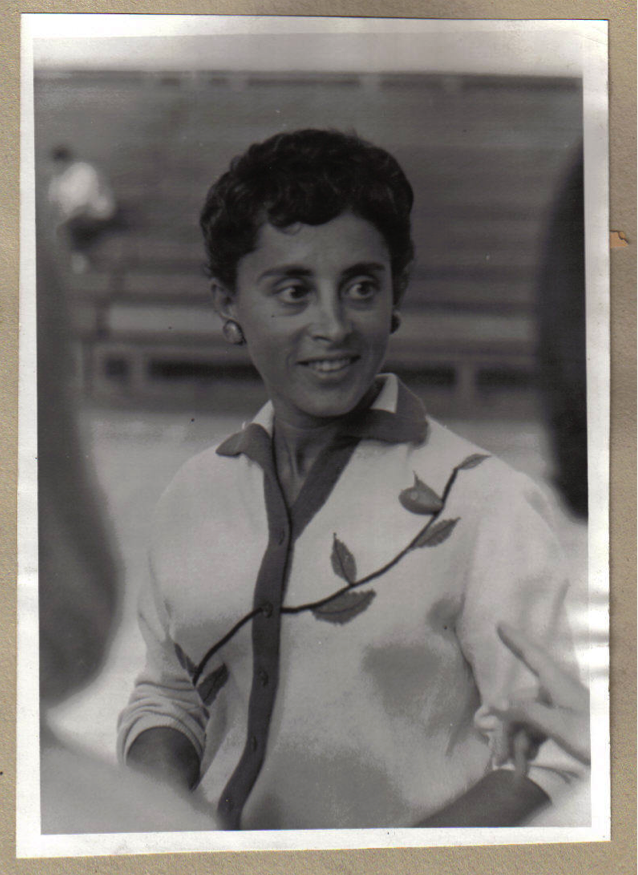
Adrienne Nater, girls vice-principal at Oxnard High School in 1965.

Adrienne Nater, girls vice-principal at Oxnard High School in 1965.

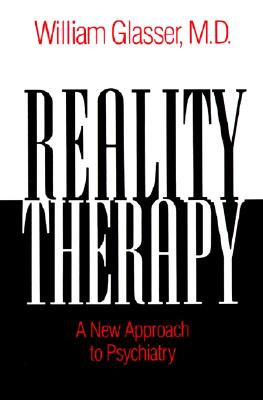
I wrote about Adrienne Nater in the Glasser biography, Champion of Choice. In the same year that Reality Therapy was published, 1965, Adrienne was a vice-principal at Oxnard High School in Southern California. She read Reality Therapy and began to rely on the approach as she worked with student offenders. In spite of the documented success she was having by working with students in this way the school principal at the time didn’t like the methods and forced her to resign. In short, she liked the elements of reality therapy, successfully used them as she worked with students, and got fired for it!

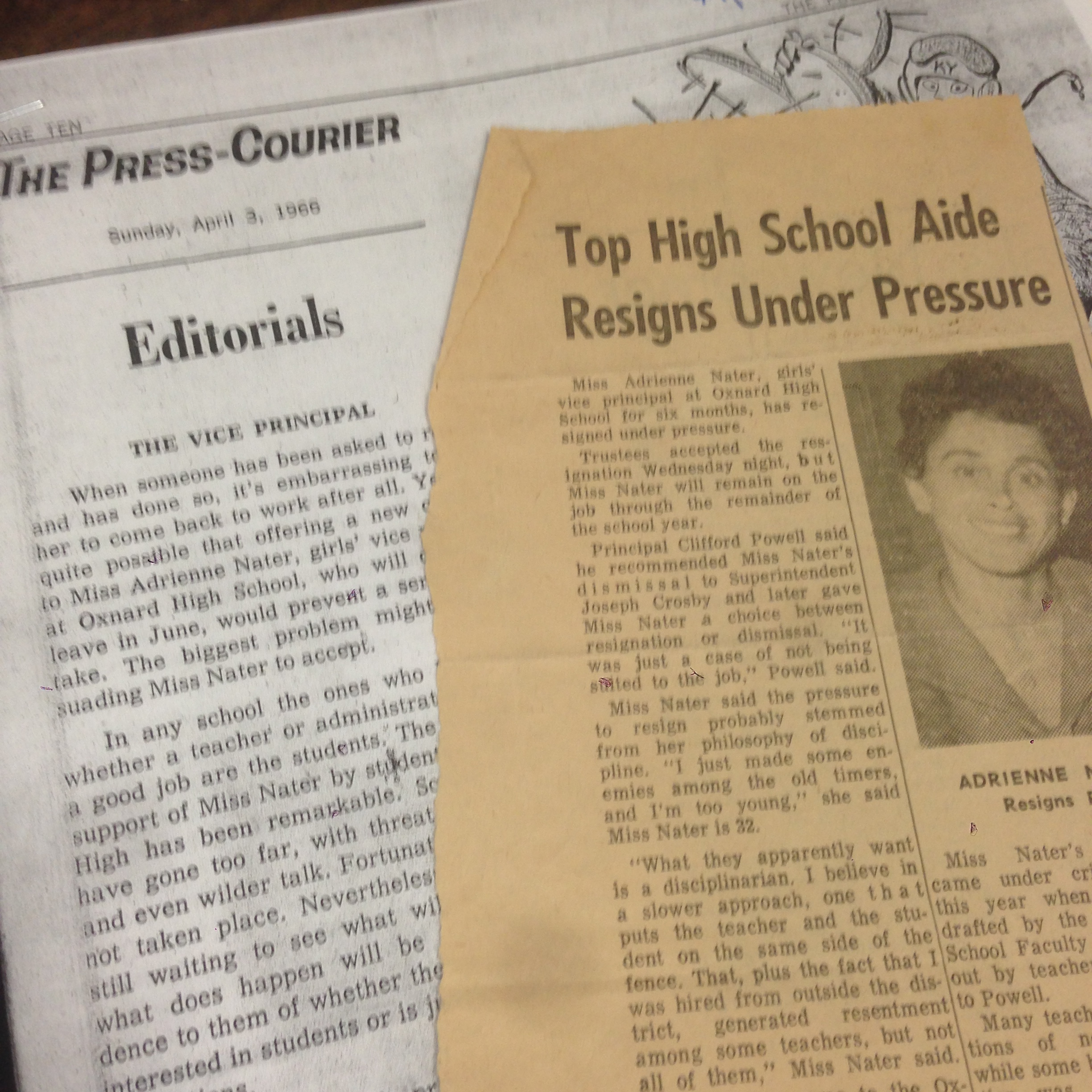
A newspaper clipping from the Oxnard Press Courier, April, 1966

A newspaper clipping from the Oxnard Press Courier, April, 1966

This story would have slipped from sight and remained unnoticed forever had it not been for the fact that the Oxnard Press Courier ran quite a few articles on the situation during the spring of 1966. I stumbled onto newspaper clippings of the story in an old photo album sitting on the floor of a partially opened closet door in Glasser’s home office. I was immediately captivated by the story as I read through the now-yellowed articles. Glasser and his wife, Carleen, were also captivated by the story, and that led to a highlight moment during the biography interviews. Carleen got some help from Directory Assistance and, remarkably, within a few minutes was talking to the same Adrienne Nater on the phone. After a short explanation of who she was and why she was calling, Carleen handed the phone to Glasser. Try and picture it. Out of the blue, 40 years after losing a position because of the ideas of reality therapy, the author of Reality Therapy calls you. It was a special moment! (Several months later they met in person.)

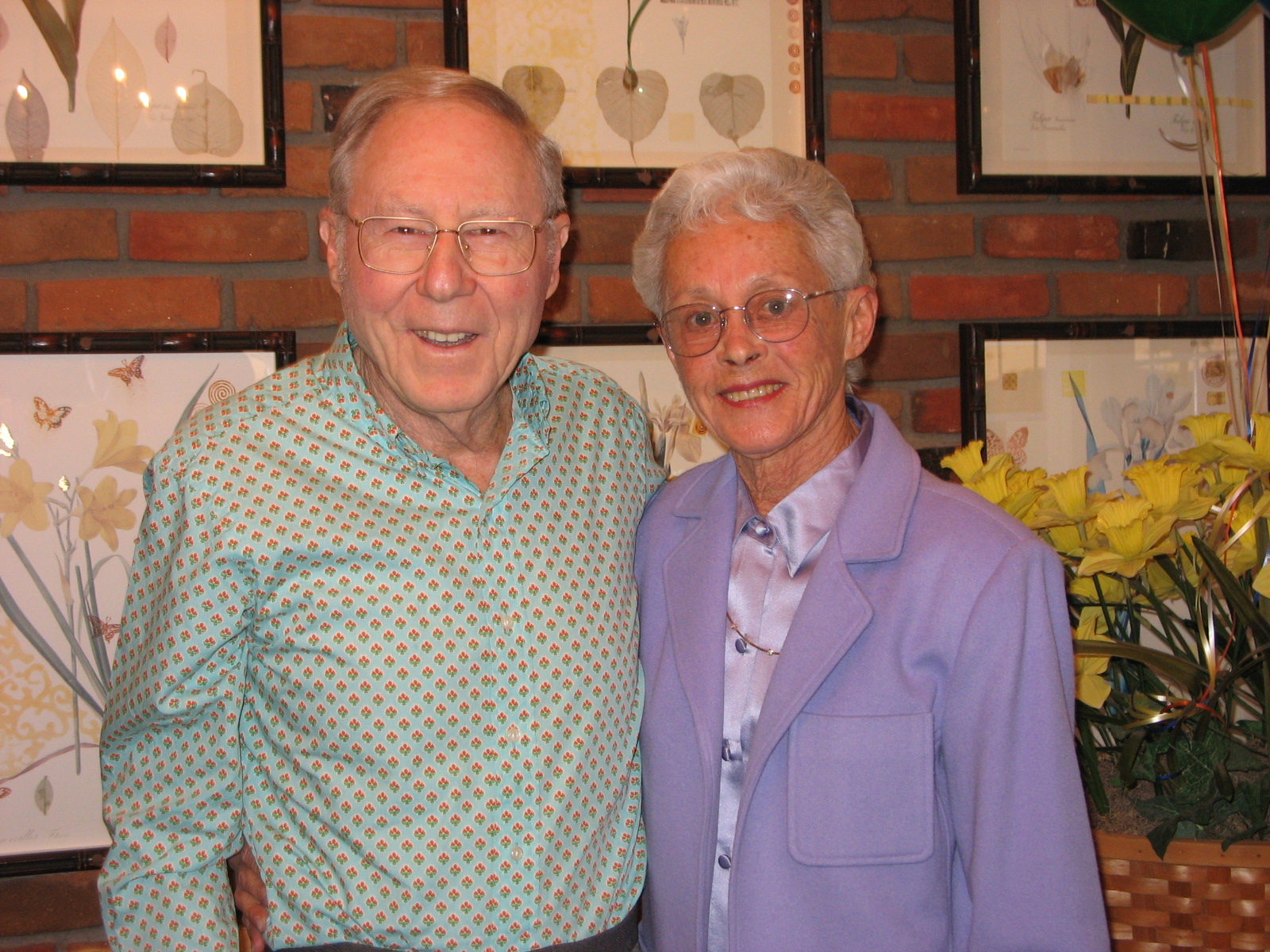
William Glasser and Adrienne Nater meeting for the first time over 40 years after her leaving Oxnard High School.

William Glasser and Adrienne Nater meeting for the first time over 40 years after her leaving Oxnard High School.

One of the Oxnard Press Courier’s articles, under the headline Resigning Vice Principal Believes Her Theories Supported By Results, described how –

Miss Adrienne Nater’s give-and-take theory of discipline at Oxnard High School is difficult and time-consuming in practice, but she believes it pays off in benefits to the misbehaving student.

Her approach was one of the chief reasons why she was forced to resign as girls’ vice principal.

“If a child is sent to the office, I try to find out why,” she says. “I let her relate what happened and then I try to show her why she can’t be disrespectful. I don’t mete out punishment without letting the child know why. Control by fear and hatred is bad. I think the only way is through respect and understanding.”

School principal, Clifford Powell, says her forced resignation was “just a case of not being suited to her job.” District officials say her job is to discipline students instead of counseling them.

Miss Nater says “you can’t separate counseling and disciplining, and that her approach is similar to that of Dr. William Glasser, psychiatrist at Camarillo School for Girls. Dr. Glasser says his psychotherapeutic techniques of discipline do not prevent enforcement of conformity to regulations. Miss Nater says she ran onto his book, Reality Therapy, by accident. His technique is far more formalized than mine,” she adds.

“The truth is,” Nater says, “that not many teachers have received an education in the modern techniques of reaching these unhappy youths. They know only that discipline is sort of eye-for-eye and tooth-for-tooth throwback to the era when pain, humiliation, and embarrassment were thought of as educative processes.”

Miss Nater believes her technique “helps a young person find herself in some small way and so become a better member of our society. These young people are behind me because every one who got into trouble feels that she better understands herself through the new approach.”

Her student supporters have started a drive to retain her. Their parents also have joined the campaign by signing a petition being circulated.

More Oxnard newspaper clippings from the spring of 1966.

More Oxnard newspaper clippings from the spring of 1966.

Another Press Courier article quoted Adrienne explaining that –

“I simply can’t go along with traditional discipline. In generations past a vice principal was supposed to be thoroughly feared and hated. Traditionalists seem convinced that hatred is constructive. I know better, and so does Dr. Glasser out at the Ventura School for Girls near Camarillo.”

“I follow Dr. Glasser’s philosophy in every sense of the word because it works in maintaining discipline and it leaves the disciplined youngster on your side.”

Miss Nater is perfectly honest and willing to admit that all her life she has rocked boats. “Not because I deliberately set out to do so, but because I was very early trained to think for myself, to make my own decisions, and to follow practices and policies that, to me at least, seemed the most effective and efficient.

Petitions and protests, including by parent groups, and even including local church priests and pastors, did not prevail, though, and Adrienne Nater, after being forced out, went on to serve her community in other ways. One of the Oxnard Press Courier editorials ended by pointing out that –

“Miss Nater would have no trouble finding another job. Oxnard High School might have a lot of trouble finding another vice principal who could win the confidence of students.”

The book that connects the dots of William Glasser's ideas and his career.

The book that connects the dots of William Glasser’s ideas and his career.

I couldn’t agree with this editor’s insight more. I thoroughly enjoyed my interviews with Adrienne, since I knew immediately that her story needed to be a part of the biography. In spite of our visits and all the details of her career experience we talked about, she recently surprised me again with information that just has to go in future editions of the biography. She recently read Champion of Choice for the first time and, as a result, we re-connected.

In one of her emails she brought up a name that she and I had never talked about, but that she was reminded of as she read the book. Keep in mind that after leaving Oxnard High she stayed and worked in the Oxnard / Simi Valley area. Here is what she shared –

“This is so astounding: Brad Greene and I were colleagues in Simi. I remembered that he was selected to lead Apollo by his administrative buddies because he was not quite up to their standards of being a good Christian. This difference was not acceptable. Brad was placed in his position as a punishment. He made them eat dirt.”

William Glasser and Brad Greene, 2004 (Jim Roy photo)

William Glasser and Brad Greene, 2004 (Jim Roy photo)

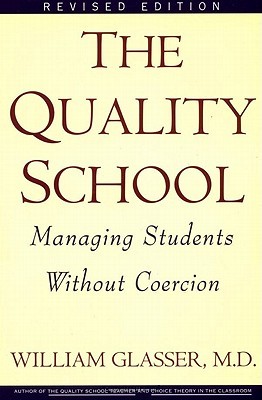
Brad Greene was the principal featured in one of Glasser’s best books, The Quality School: Managing Students Without Coercion (1990). Glasser heard about Brad and went to Apollo High School to meet him and explore the possibility of becoming involved at the school. Glasser and Brad formed a very good working relationship and Glasser maintained a regular presence at the school, working with teachers and students, as he began to write the manuscript for The Quality School. Brad Greene and Apollo High School learned a lot from Glasser, but Glasser would be the first to emphasize how much he learned from Apollo High School. There was so many things Apollo was doing right even before Glasser arrived on the scene.

Glasser's experience at Apollo High School with Brad Greene was an important part of The Quality School.

Glasser’s experience at Apollo High School with Brad Greene was an important part of The Quality School.

The Quality School did well as far as copies sold and Brad attained nationwide notoriety because of it. He went on to become one of Glasser top trainers, traveling across the country to help others understand the concepts of reality therapy and choice theory. The thing is, though, that Brad hadn’t gone looking for notoriety or for cross-country travel. Even as others thought they were punishing him by putting him at an alternative high school out in Simi Valley, Brad focused on helping kids and creating a school in which they wanted to attend. His superiors may have thought he wasn’t Christian enough, yet he helped to create a school that really cared about students, a very unique group of students at that, and sought to help them attain their diploma.

Two stories of amazing educators who sought to live and teach the principles of reality therapy and choice theory. One lost her job over it, while the other got transferred to a school nobody else wanted. Yet they persevered, always looking out for kids, and always trying to inspire their colleagues to do the same.

Happy 50th Anniversary to Reality Therapy!!

Happy 50th Anniversary to Reality Therapy!!

This year marks the 50th anniversary of Reality Therapy, whose ideas have rocked the world of therapy ever since. I can think of no better way to acknowledge Reality Therapy’s importance than to share the stories of Adrienne Nater and Brad Greene, two quietly powerful people who live the principles of Reality Therapy every day.


Want Better Answers, Ask Better Questions

IMG_0640

The value of a well-worded, well-timed question cannot be overstated. Therapists and teachers practicing the principles of choice theory know this as much as anyone. A blog at leadershipfreak.wordpress.com compressed some essential truths into a recent post when it comes to the art of effective questioning. There is so much choice theory in what follows –

We Ask Questions to Help Others:
+ Learn about themselves
+ Find their path forward
+ Create and fulfill their life plan

Better Questions:
+ Give space and opportunity for people to learn about themselves
+ Inspire reflection on their journey so far
+ Make people feel important
+ Connect people together (Glasser referred to it as involvement; the Creation story noted that “It is not good for man to be alone”)
+ Promote learning
+ Identify the next steps

darth-vader-face

There Can Be a Darkside to Questions:
+ Making a person feel like they are being interrogated
+ Leading someone to your conclusions
+ When your agenda is more important than their discovery

The First Word of Better Questions
+ What?
+ How?
+ When?
+ Who?
+ NOT Why. (Better to ask, ‘What’s important about that?’ than to ask ‘Why is that important?’)

its-better-to-focus-on-strengths-even-when-dealing-with-weaknesses

Strengths More Important than Weaknesses:
+ How have you succeeded in other situations?
+ How might that relate to this situation?
+ How have you worked through challenges in the past?
+ What traits do you depend on when the going gets tough?
+ How do you think those who know you best would describe your strengths?

In a short amount of space the leadershipfreak reminds us of some very important leadership and influence factors. Check out the original posting here.

IMG_0639

Two more important leadership principles to keep in mind are:

It is better to get it out of someone’s mouth than to put it into their ear.

and

You gain power when you give it away.

================

I am receiving word from several of you that it is impossible to purchase the book, Soul Shapers: A Better Plan for Parents and Educators (2005). I assume this has something to do with the demise of the Review & Herald Publishing Association, and the transition to the Pacific Press Publishing Association. I talked with someone at Pacific Press yesterday, but have not heard back from them yet. I am not sure what Pacific Press has in mind for the future of Soul Shapers, but for what it is worth I am open to an updating of the book (including, as you might guess, a name change).

Amazon apparently still has copies of Soul Shapers.

Amazon apparently still has copies of Soul Shapers.

Elementary Students, Prosthetic Hands, and Choice Theory

Five key elements, it seems to me, need to be present in a school for it to be exemplary. I refer to these elements as the Five Pillars of an Exemplary School. These five pillars include –
1) Intentional Friendship
2) Management Without Coercion
3) Relevant, Engaging Curriculum
4) Mastery through Effective Assessment, and
5) Applied Christianity (public schools can easily change number 5 to Applied Caring or Applied Compassion or Applied Community).

I sometimes get a question regarding #3 and the challenge of developing engaging lessons, so today’s blog features a Washington elementary school and a project that appears to be luring students toward significant engagement. I share the following video for two reasons – 1) the prosthetic hands project is a wonderful way to make learning relevant and real, and 2) I plan on donating to this worthy cause and I wanted to give you a chance to do that, too. Here’s the video –


Chris Duckett, the grades 5-8 teacher at UCA Elementary School in Spangle, Washington, used to be a student of mine when I was principal of Foothills Elementary School in St. Helena, California, between the years 1985-1993. I am so pleased that Chris has gone on to become a teacher himself and to share his passion for learning and for making a positive difference in the world.

Recognizing important connections, Chris wrote –

In regards to Choice Theory and The Better Plan, I see this project as creating a learning environment where students look forward to coming back to school each day, it requires teamworkcollaboration with professionals, critical thinking & evaluating to create a quality product. To me the most exciting part of this project is how it meets a specific need in the community/nation/world. Speaking of needs, I also see it as helping meet a couple of Choice Theory’s basic needs:
Love and Belonging – This project gives students the opportunity to love others by creating a product that gives them a new ‘hand’ on life. It can also help them belong because teamwork is essential for the success of the project. The curriculum referred to above does just that as it gives each team member a specific task in the process of designing, printing, assembling, testing & sharing the prosthetic hand.

Joy and Fun – My students and I anticipate having a lot of fun using 3D software and a 3D printer, especially since we know we’ll be helping others in the process!

Thank you, Chris, on so many levels for your vision and your perseverance to see this project through to implementation. If you wish to help Chris and his students fund this project, go to  shar.es/1pWTa4

==============

And since we are talking about relevance and engagement in the classroom, here’s a short video clip from Edutopia that captures relevance in a Chemistry classroom. Very cool.

===============

It would be awesome if these clips inspired you to share ideas that have engaged students in your classroom. Love to hear from you!

===============

Get signed copies of the Glasser biography, Champion of Choice, from me for $25, which includes shipping to anywhere in the U.S. (This is less than Amazon.)

I can now sell for lower than Amazon. Get the book from me, anywhere in the U.S., shipping included for $25.

I can now sell for lower than Amazon. Get the book from me, anywhere in the U.S., shipping included for $25.

The Payback, Pride, and Pleasure of Choosing to be Miserable

"So let me get this straight. You're saying I choose to be unhappy?"

“So let me get this straight. You’re saying I choose to be unhappy?”

Some people get frustrated and even angry at the suggestion that misery and depression are a personal choice, yet evidence gently pushes toward this conclusion. “Why would I choose to be this unhappy?” a miserable person might ask. Good question.

A study* recently published in the journal Psychological Science indicates that “even when depressed people have the opportunity to decrease their sadness, they don’t necessarily try to do so.”

Logic pushes us in the opposite direction, that being when people are unhappy they would naturally make decisions that would lead them back to happiness. The study, though, reveals that people sometimes choose to behave in a manner that increases their sadness, rather than decreasing it.

sad-big-SS-225x300

The chief author of the study, Dr. Yail Millgram of Hebrew University, wrote that the study “is important because it suggests that depressed individuals may sometimes be unsuccessful in decreasing their sadness in daily life because, in some sense, they hold on to it.”

Participants in the study were first screened for symptoms of depression and then asked to complete an image selection task from among pictures categorized as happy, neutral, or sad. The depressed participants chose to view the sad images more often than the undepressed participants. A second study based on selecting music clips confirmed the first study. Sixty-two percent of the depressed participants chose the sad music over the neutral or happy music. Not surprisingly, researchers discovered that the more participants chose the sad pictures the more their sadness increased.

“The most urgent task for us,” Millgram concluded, “is to try to understand why depressed people regulate their emotions in a manner that increases rather than decreases sadness.”

I think we all agree with Dr. Millgram’s concluding statement. Fortunately, when it comes to the urgent task he describes, choice theory is ready to help.

Woe is me and don't try to talk me out of it.

Woe is me and don’t try to talk me out of it.

Choice theory explains that all behavior is purposeful, including the misery we feel. We behave in a certain way because that behavior meets a need. When a circumstance isn’t as we want it to be, usually because we want another person to act differently, we choose a behavior that we hope will bring this change about. We can choose from behaviors known as caring habits (these behaviors maintain our relationship with others since they don’t seek to manipulate or coerce), or we can choose from behaviors known as deadly habits (these behaviors harm relationships since they try to force or manipulate the other person into the behavior of our liking). Choosing unhappiness or misery in response to someone else’s behavior is an example of a deadly habit. Misery is often a form of withdrawal and therefore a kind of punishment.

Remember we are not talking about a little unhappiness when something doesn’t go our way. That’s natural and a common part of life. Instead we are talking about a deeper, more strategic sadness that is meant to convey a message and ultimately to control a situation. People can stay strategically sad for a long time.

What are some reasons (since Dr. Millgram asked) that people choose unhappiness and misery? Here’s three reasons that come to mind –

Payback
When we choose to miserable (Glasser liked turning words like this into verbs, which emphasized our actively choosing it rather than passively being infected by it.) we get something out of it. It’s possible that other people bow to our manipulation, which makes the behavior seem even more need-satisfying, but even if others don’t respond as we want them to, at least we get a feeling of control out of it.

Pride
Maybe this is just a personal admission for me, but when I really think about my own use of a deadly habit, like withdrawing for instance, it is pride that I let keep me from choosing a better behavior. I could choose to behave in the very way I want to be treated, but pride can derail such thoughts.

Pleasure
Let’s admit it, misery can feel pretty good. When we feel wronged we figure we deserve to be upset and we look for details that will affirm our disgust and anger. We can be like a gifted sculptor as we craft our interpretation of the story. Like a child tightly clutching a favorite toy we hug our misery ever closer, not wanting anyone else to mess with it.

A little misery is to be expected. Life is difficult. We negotiate it as best we can, but things don’t always go our way. Rather than choosing to stay miserable, though, we can choose a happier path, even if only small steps toward optimism and gratefulness. It might feel “right” to be miserable, but staying in that emotional state is a bit like playing with fire. Glasser used to say that it is impossible to be unhappy and miserable for more than six weeks without manifesting symptoms, either psychologically or physically. Our misery starts out as small choices, but it can morph into something that feels much bigger.

* I was alerted to this study in an article posted on psychcentral.com. You can access that article here.

===============

Learn more about Glasser’s beliefs regarding unhappiness and misery in his biography, Champion of Choice.

I can now sell for lower than Amazon. Get the book from me, anywhere in the U.S., shipping included for $25.

I can now sell for lower than Amazon. Get the book from me, anywhere in the U.S., shipping included for $25.

Religion and The Only Person I Can Control

Purpose of religion

Have you ever heard the phrase, God hates the sin, but He loves the sinner? I have heard it quite a bit over the last several years, usually in connection with points that religious people want to make regarding sexual identity issues. I haven’t been totally comfortable with the phrase, but couldn’t put my finger on what exactly was causing my discomfort. I had forgotten where the phrase comes from, but was recently reminded that it appears in the little book, Steps to Christ, one of my favorites and a choice theory classic.

So how did this phrase, the one about God hating the sin but loving the sinner, get into one of the best choice theory books I have read? Well, that’s the thing. The way it is written in Steps to Christ is different than how people recite it during their sexual identity debates. The Steps to Christ version leaves the first “the” out and to me this is a noteworthy difference. Instead it reads –

He hates sin, but He loves the sinner.
Steps to Christ, p. 54

Without that first “the” I actually like this phrase. Why is the “the” that significant? For me the answer to that goes like this –

When people quote this phrase by saying, God hates THE sin, it sounds like they have sat in judgment, decided which behavior God hates, and are now proclaiming this “truth” to others. It comes across as critical, blaming, and even coercive, in that they portray God as backing them up in their spirit of “I’ll tolerate you, but nothing more than that.”

The truth seems to be that “God hates sin,” all of it, because it separates us from Him and hurts us in every way throughout our daily lives. He hates that we have to deal with fear and insecurity and coveting and lust and power struggles and self-medicating and addiction and vulgarity and dishonesty and . . . you get the picture. He hates anything and everything that screws us up and causes us pain and distress. He hasn’t given us the responsibility of convicting others of their sin (thank you for that, Father). The Holy Spirit takes care of that and He is really, really good at it. (John 16:8) It is amazing how gently and lovingly the Spirit can bring us into an accurate picture of ourselves. The important thing is (since the only person I can control is me) that we each respond to the promptings of the Spirit and, through Him, bring our thinking and our behavior more and more into alignment with His.

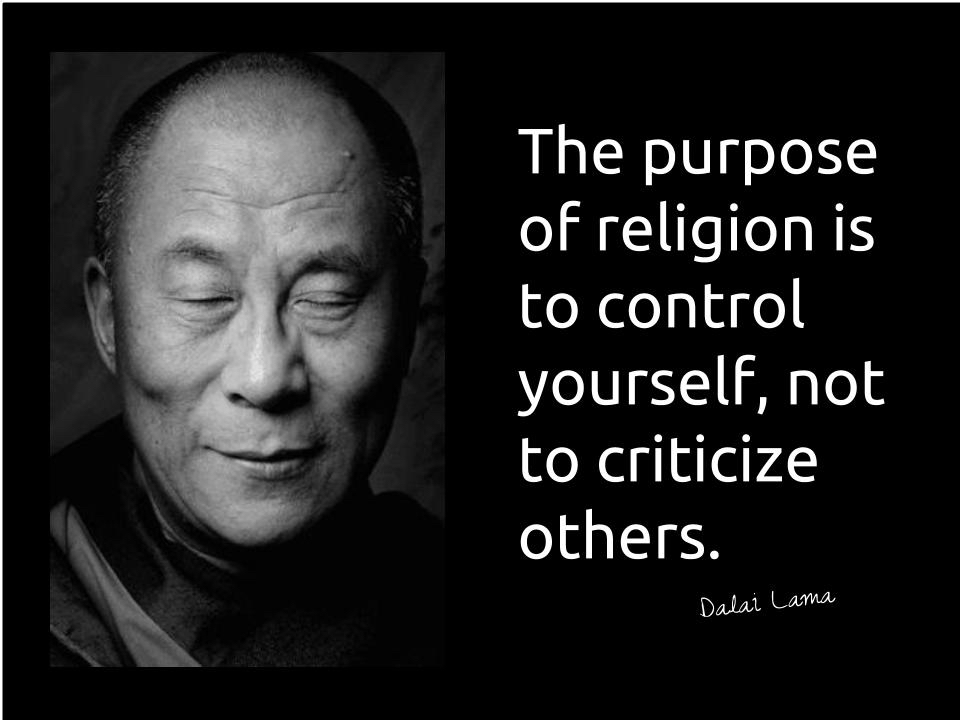
This is why I resonate so much with how the Dalai Lama says it –
The purpose of religion is to control yourself, not to criticize others.

There are some important choice theory takeaways from today’s post, including –

The only person I can control is myself. This is a key internal control element of choice theory and it is especially important when it comes to our spiritual journey.

Self-control is a noble goal for everyone, whether they are into religion or not. Since self-control is one of the fruits of the Spirit in Galatians, it is definitely important to a Christian.

Our need for love and belonging is met as we are in good relationships with others. Being judgmental and critical toward others hurts these relationships. As much as anything Jesus emphasized that we love one another.

Our view of reality is based, to a great extent, on the quality world pictures we believe and value. We see the world differently as our values shift. People that travel to poverty-stricken areas of the world are often changed by what they see and hear and smell and touch. They no longer see their own abundance in the same way ever again.


Me Management

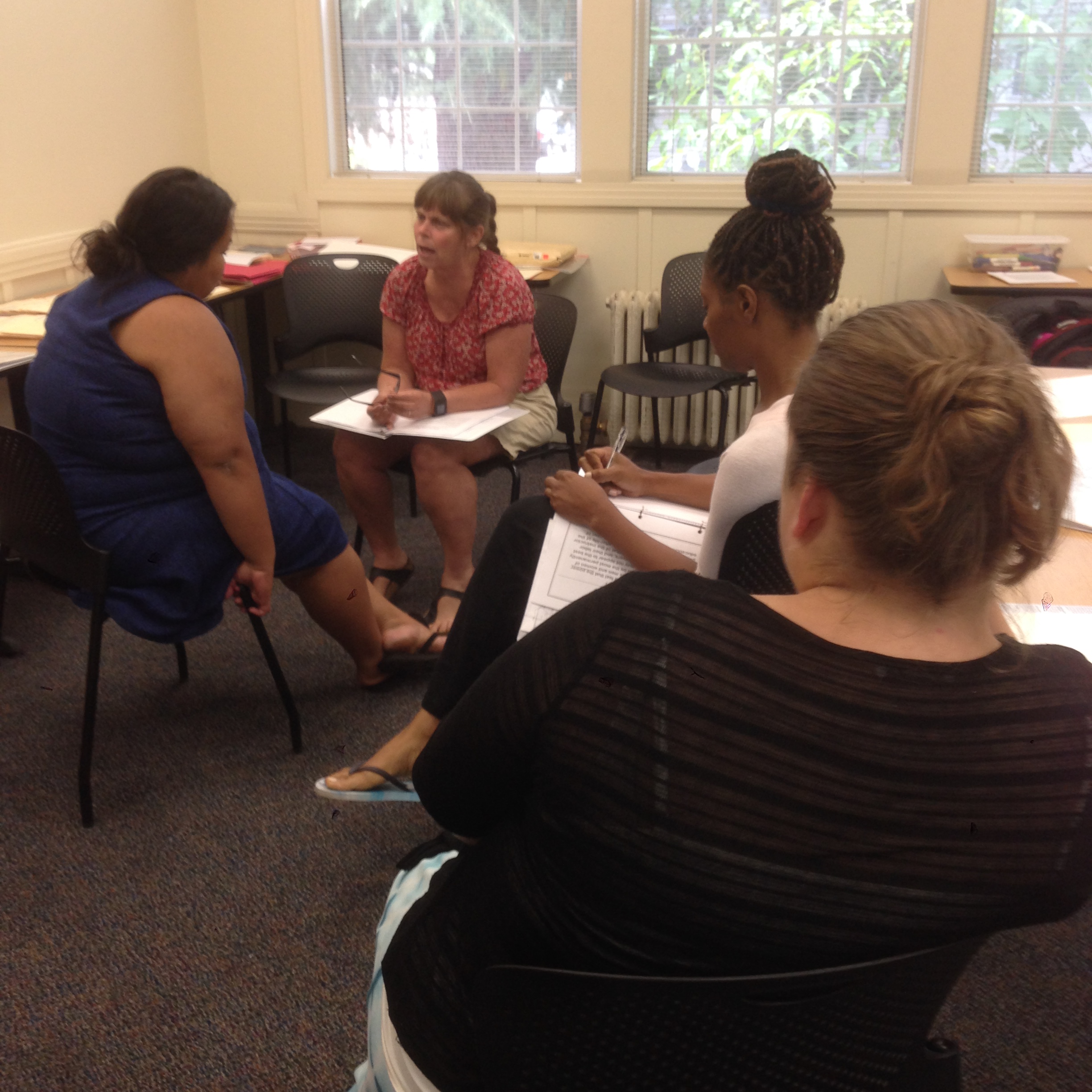
A role play during The Better Plan 2 class, which just ended yesterday.

A role play during The Better Plan 2 class, which just ended yesterday.

I am getting more requests to share The Better Plan with principal and teacher groups. The invitation follows a similar pattern – someone reads the Soul Shapers book, or hears me giving a short talk somewhere, and they ask their principal or superintendent if my sharing The Better Plan in their neck of the woods could be arranged. The person doing the inviting, the superintendent or director, may not have read Soul Shapers, yet here they are about to give the hearts and minds of their educators to someone they don’t know much about. And so I get asked, “Now what is it you present?”

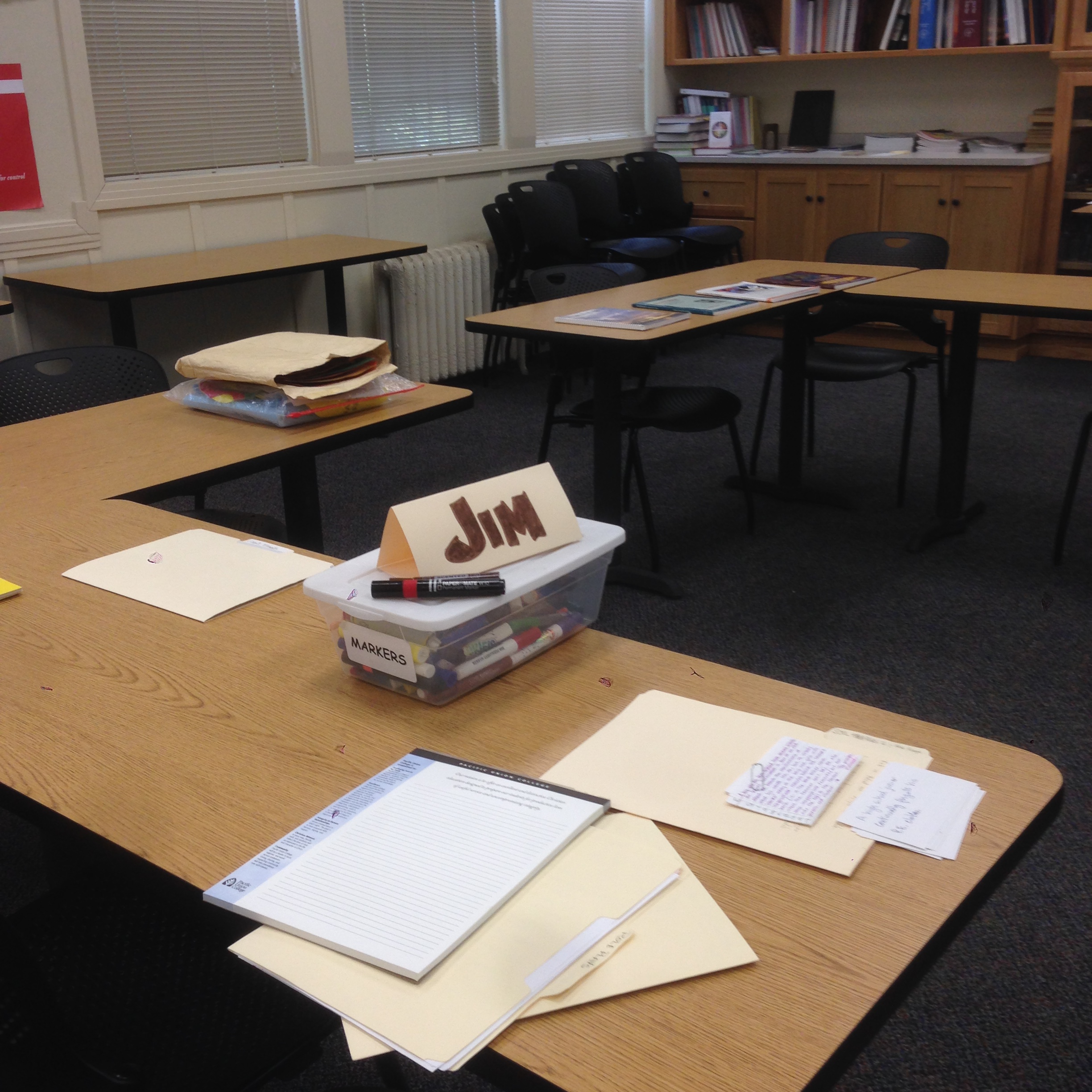
Classroom clean-up almost done following The Better Plan 2 class. It has been a very meaningful week.

Classroom clean-up almost done following The Better Plan 2 class. It has been a very meaningful week.

I was actually responding to an invitation this past week at the same time that The Better Plan 1 class was in session. So I explained the situation to them and asked them to write a half page on what they saw as the essence of The Better Plan. They were asked to write to one of the following prompts:

The Better Plan is –
What I learned from The Better Plan is –

Their responses, which appear below, are instructive and invitational to each of us.

The Better Plan is about empowering individuals to choose. Unlike a classroom management class, which focuses on children being better controlled by the adult, I actually found it to be a me-management class. It makes a case for abandoning traditional methods and embarking on a new adventure – an adventure of becoming what we want our students to become.   Karie

What I learned from attending The Better Plan is that although we have been engrained with external control, we actually were created with free will. Choice theory, it turns out, compliments the way we are wired.     Lisa

What I have learned from The Better Plan is how to be more inclusive of others’ Quality World. I have learned that we have certain biases that cannot be avoided, because of how we view the real world through the lenses and filters we have had through time. Realizing that others also have these biases, and then being willing to explore each others’ perspectives can lead to a better world.   Tammy

Though I am trying to figure out exactly what it means. I do know that it means we choose everything we do, even our misery. Now I am trying to figure how I will apply it to my life and in my classroom. I also understand what it is not. The Better Plan is not coercion or manipulation; it is not the “deadly habits” or external controlling behaviors. So, since I know what it is not, with the help of the Holy Spirit, I will strive to not coerce, manipulate, use external control and deadly habits in my life and classroom. Vickie

The Better Plan is a way of thinking about the world, especially when it comes to how we view other people. Primarily aimed at helping those in education professions, it is applicable to all human relationships – marriage, parenting, work settings, and boards. The Better Plan teaches us to understand Choice Theory, which maintains that we can only control ourselves; we cannot control anyone else. To work together effectively, we must seek to develop relationships, rather than attempting to use the “deadly” habits of criticizing, blaming, complaining, nagging, threatening, punishing, bribing, or rewarding to control. While these deadly habits are all too common in our family and work relationships, we can begin to practice this Better Plan by intentionally applying Choice Theory practices and continuing to learn and teach what we are learning to those around us.   Brad

What I learned from The Better Plan is that kids learn in many different ways. They think differently than teachers and just because the teacher sees it one way doesn’t mean the student will see it that way, too. In order to reach students, teachers need to involve them in making the learning meaningful. Education must be need-satisfying for students.     Kory

The Better Plan is about inspiring students to be responsible for themselves, to strengthen the many positive qualities they have, and to invite them to live by faith, grow in the Holy Spirit, and choose a life with Christ.   Leslie

What I have learned from The Better Plan is . . . so much. The most powerful part of the whole thing, though, is this – the only person I can control is myself. BAM!!   Krystalynn


It's even hard to erase the white board after The Better Plan 2 class.

It’s even hard to erase the white board after The Better Plan 2 class.

I really like the idea of “me-management” as a way of describing The Better Plan. I like the idea that The Better Plan honors the way in which God originally created us and wired us. I like that it sees the individuality of students and seeks to meet their unique needs. And I especially like that The Better Plan helps each of us grow in the Holy Spirit and choose a life with Christ.

Me Management and the Total Package

So, is The Better Plan about classroom management? I could answer that question with a Yes and I could answer that question with a No. Maybe a better way to ask the question would be “Will The Better Plan affect my classroom management?” The answer to this last version of the question is a resounding Yes! “What’s the difference?” you might be thinking.

When we learn about choice theory and its principles begin to influence our thinking and our behavior, it affects all of our relationships and everything we do. It positively infiltrates every aspect of our lives. It is like wearing a pair of glasses with a color-tinted lens. Everything we see is different than before. Our relationship with Jesus is seen in a new light; our relationships with the significant people in our life are seen differently; and yes, if I am a teacher, the way I manage my classroom will be profoundly and wonderfully affected. More than just a classroom management strategy, The Better Plan is about the total package of our lives!